





Health ministers from Caribbean Community (CARICOM) member and associate member states have endorsed a regional action plan designed to prepare health systems for the growing effects of climate change. The Caribbean Action Plan on Health and Climate Change for 2026–2031 was endorsed on September 25, 2026, during the 53rd Meeting of CARICOM’s Council for Human and Social Development, Health, in Washington, D.C.
Developed with support from the Pan American Health Organization and the World Health Organization, the framework links climate policy to hospitals, disease prevention and the continuity of essential public services across the Caribbean.
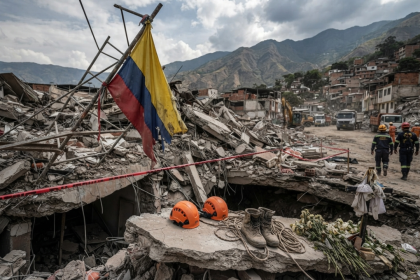
The plan responds to risks that include hurricanes, extreme heat, flooding, droughts and changing patterns of vector-borne diseases such as dengue. It also addresses the particular vulnerability of small island states, where natural disasters can damage health facilities, interrupt supply chains and make it more difficult for communities to access medical care.
Four priorities for climate-resilient health systems
The framework is organized around four areas of action. The first is stronger climate governance and political leadership, intended to place health considerations more firmly within national and regional climate policies.
The second priority is the development of climate-resilient health systems. This includes strengthening infrastructure, improving preparedness and supporting the ability of hospitals and other health services to remain operational during extreme weather events and other climate-related disruptions.
The plan also calls for lower-carbon healthcare operations. Health services need to respond to climate-related threats while addressing the emissions and environmental pressures associated with their own activities. A fourth priority is the mobilization of national and international climate finance to support the implementation of these measures.
Implementation will be led by individual countries, with technical assistance from PAHO. The work is expected to involve CARICOM, the Caribbean Public Health Agency, universities, civil society organizations and the private sector, creating a regional structure for cooperation beyond national governments.
Building on previous regional measures
The 2026–2031 plan builds on actions adopted under an earlier regional framework. According to PAHO, Caribbean countries have already developed national health adaptation plans and trained more than 2,500 health professionals across 15 countries.
Seven countries have also expanded multi-hazard early-warning systems, which can help authorities prepare for different threats and communicate risks before emergencies occur. Health facilities in seven countries have been upgraded under PAHO’s SMART standards for safe and green facilities.
These measures provide a foundation for the new action plan, which places greater emphasis on connecting preparedness, infrastructure, surveillance and financing. The approach recognizes that climate-related health risks are not limited to the immediate effects of storms or floods; they can also influence disease transmission and place sustained pressure on public health services.
Why the Caribbean faces heightened exposure
Caribbean countries face structural challenges associated with geography, limited infrastructure, economic dependence and exposure to hurricanes and other natural hazards. For small island states, damage to a hospital or disruption of transportation can affect access to care across an entire community.
Extreme weather can also affect water and sanitation services, medical supply routes and the ability of health workers to reach patients. At the same time, changing environmental conditions may alter the distribution of mosquitoes and other disease vectors, increasing the importance of surveillance and early detection.
By placing climate resilience within health planning, CARICOM’s framework treats hospitals and public health agencies as central components of disaster preparedness. The plan’s emphasis on early-warning systems and resilient facilities is intended to help maintain essential services when communities face climate-related emergencies.
Regional cooperation and climate finance
The plan’s success will depend on country-level implementation and on the availability of technical and financial support. Climate finance is therefore one of its four central priorities, reflecting the difficulty many Caribbean governments face in funding major infrastructure and health-system upgrades on their own.
PAHO’s support, together with cooperation among regional institutions, universities, civil society and the private sector, is intended to strengthen countries’ ability to carry out the framework. The regional approach also creates opportunities to share expertise and apply lessons from national adaptation efforts across the Caribbean.
The endorsement gives climate and health policy a practical focus: protecting health facilities, preparing workers, improving warning systems and reducing interruptions to care. For communities across the Caribbean, the plan connects long-term climate action with the everyday need for hospitals and public services to remain available during increasingly complex environmental threats.