




Brazil is leading the creation of a new regional police cooperation network aimed at protecting strategic logistics routes across South America. Known as Red CORSEL, the initiative was approved within the Community of American Police Forces, or AMERIPOL, and is intended to connect law enforcement institutions operating across several transportation systems.
The network will cover road, rail, river, maritime and airport infrastructure. Its stated priorities include confronting drug and weapons trafficking, smuggling, cargo theft, money laundering and human trafficking, crimes that can use cross-border transport routes to move people, goods and illicit funds between jurisdictions.
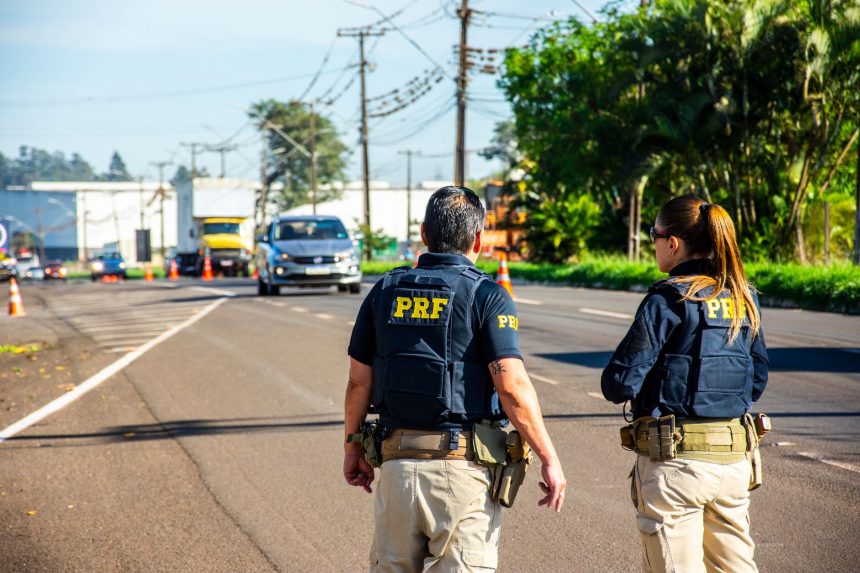
The Brazilian Federal Highway Police, known as PRF, announced the initiative on September 14, 2026. According to the Brazilian Federal Highway Police, Red CORSEL was approved unanimously within AMERIPOL. The proposal places Brazil at the center of an effort to coordinate security measures around the infrastructure that supports regional commerce.
Police cooperation across multiple transport systems
Rather than focusing on a single enforcement operation, Red CORSEL is structured around information sharing, joint training and the exchange of operational practices. The model reflects the way criminal organizations can exploit connections between different forms of transportation, moving illicit cargo through highways, rail networks, waterways, ports and airports.
The initiative is also expected to support closer coordination among police agencies in countries linked by South American trade routes. The planned cooperation includes routes associated with Brazil and neighboring countries, as well as the South American Integration Routes and emerging bioceanic corridors connecting Brazil with nations on the Pacific coast.
Those corridors are strategically important because they link inland production areas with ports and international markets. The security of these routes affects the movement of agricultural products, industrial goods and other cargo, although the sources do not provide estimates of the economic impact expected from the new network.
Potential expansion of Brazil’s intelligence system
One element of the proposal is the possible international expansion of Alerta Brasil, an intelligence system associated with Brazil’s Federal Highway Police. The PRF says the system could contribute to the exchange and analysis of information among participating institutions, although the announcement does not detail the technical model, implementation timetable or countries that would initially join such an expansion.
The emphasis on intelligence cooperation is significant because investigations involving trafficking, cargo theft and money laundering often extend beyond the territory where a crime is first detected. Sharing operational information could help police agencies identify links between incidents and coordinate responses across national borders.
However, Red CORSEL is an institutional initiative at an early stage. The announcements confirm its approval and broad objectives, but do not establish specific enforcement targets, staffing levels, budgets or performance indicators. Its practical effect will depend on how participating police forces organize data exchange, training and joint operational procedures.
Part of a broader AMERIPOL agenda
Red CORSEL was among the strategic initiatives approved during AMERIPOL’s Fifth Extraordinary Summit, according to an announcement dated September 8, 2026. In the same context, the organization approved specialized centers focused on money laundering, smuggling, terrorism, organized crime and high technology.
The AMERIPOL announcement also reported Azerbaijan’s arrival as an observer country. The decision illustrates the organization’s broader effort to expand police dialogue and create specialized mechanisms for addressing crimes that operate across borders.
For Brazil, the logistics network strengthens the country’s role in regional security cooperation while linking domestic highway policing to a wider hemispheric framework. For neighboring countries, it offers a channel to coordinate protection of routes that cross borders or connect national infrastructure with shared commercial corridors.
Red CORSEL’s central challenge will be turning political approval into consistent cooperation among agencies with different laws, systems and operational procedures. If that coordination develops, the network could provide a more integrated approach to protecting South American logistics infrastructure. For now, its creation marks a shift toward treating transport security as a regional police responsibility rather than an issue handled solely through isolated national operations.