



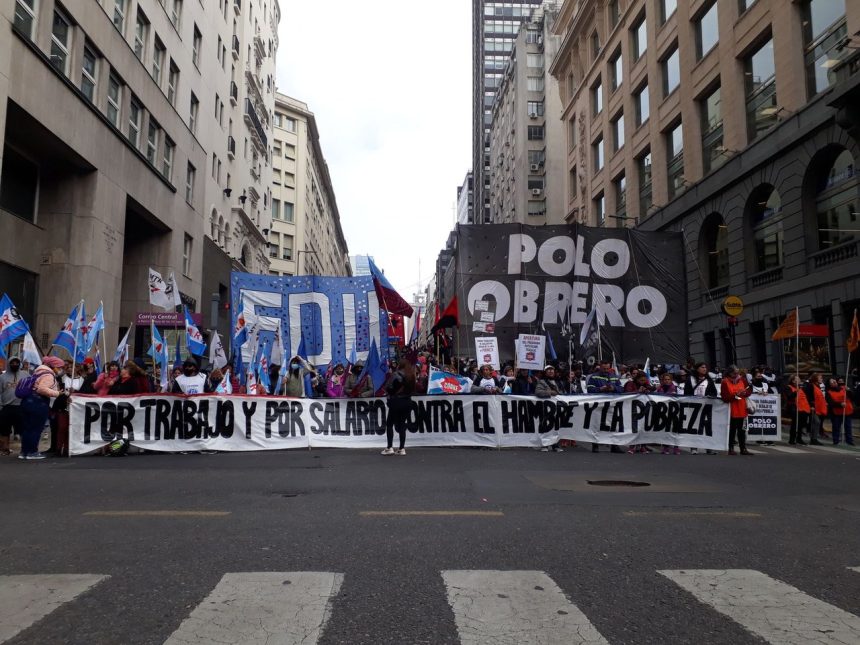
Teachers in Paraguay have gone on strike to demand stronger protection for pension funds following the collapse of a bank, bringing retirement security and financial oversight into the center of the country’s public debate. The dispute links a labor action involving educators to broader concerns about how financial institutions are supervised and how contributors are protected when a bank fails.
According to a Associated Press report published on November 9, 2026, teachers are seeking safeguards for pension resources after the banking collapse. Their strike reflects concern that retirement funds and the people who depend on them may be exposed when financial institutions face serious instability.
Why the bank collapse matters to teachers
Pension funds represent long-term security for workers, making questions about their management especially sensitive. For teachers, the issue is not limited to the immediate effects of a bank’s failure. It also concerns confidence that retirement contributions will remain protected throughout a person’s working life and that institutions responsible for managing or supervising those resources can respond effectively to a crisis.
The strike therefore places financial stability in direct connection with household security. A banking problem can become a labor and political issue when pension contributors believe that the systems intended to protect their savings are not strong enough. In Paraguay, educators have used collective action to demand that their retirement protections receive greater attention from public institutions.
The episode also highlights the role of financial supervision. When a bank collapses, regulators and public authorities face scrutiny over the safeguards surrounding the institution, the monitoring of risks and the treatment of affected funds. The teachers’ demands have made those questions more visible, turning a financial-sector event into a test of institutional trust.
A broader debate over public confidence
The dispute reaches beyond the immediate relationship between teachers and the government. Pension protection depends on confidence in rules, oversight and the institutions responsible for enforcing them. If contributors doubt that their funds are secure, pressure can grow for changes in supervision and for clearer guarantees covering retirement resources.
That makes the strike significant even for people outside the teaching profession. Public-sector retirement systems affect workers, families and government finances over the long term. The controversy may add to demands for reforms that clarify how pension funds are managed, how risks are disclosed and what protections apply after a financial institution fails.
The situation also places the Paraguayan banking system under closer public attention. Confidence is essential to financial institutions, and a bank collapse can raise questions about the strength of the rules designed to prevent losses or contain their effects. The teachers’ mobilization has connected those concerns to a highly visible social demand: protecting the resources set aside for retirement.
Implications for Paraguay and the Southern Cone
Paraguay’s experience is relevant to the wider South American context because financial supervision, pension security and labor relations are shared concerns across the region. The case offers a clear example of how an institutional failure can affect workers directly and create pressure for government action. It also shows how questions about banking oversight can quickly become questions about social protection.
For readers in Brazil and elsewhere in the Southern Cone, the episode raises regional questions about the relationship between financial stability and public confidence. Those questions should not be treated as evidence of a broader regional crisis, but the Paraguayan strike illustrates why pension systems and banking supervision can become politically sensitive issues when contributors fear that their retirement security is at risk.
The central issue now is whether the dispute will lead to stronger protections for pension funds and renewed scrutiny of the institutions responsible for safeguarding them. The teachers’ strike has already placed that demand in the national spotlight, tying labor action to a wider debate over accountability, regulation and trust in Paraguay’s financial system.