




As noted by Dr. Yuri Silva Portela, founder of the Humaniza Sertão social project, among the professionals who make up a multidisciplinary geriatric team, the occupational therapist occupies a unique place that medicine frequently underestimates. While doctors treat diseases and physical therapists work on movement and strength, the occupational therapist does something no other professional does with the same specificity: they evaluate and intervene in the elderly person’s ability to perform the activities that give meaning to their daily life.
In this article, we present what this professional offers to geriatric care and why their absence from healthcare teams represents a gap with concrete functional consequences.
What Is Occupational Therapy and What Does It Evaluate in the Elderly?
Occupational therapy is based on a principle that conventional medicine often neglects: health is not measured solely by laboratory parameters or the absence of disease, but by the individual’s ability to engage in activities they consider meaningful. For the elderly, these activities range from basic self-care tasks, such as dressing and feeding themselves independently, to instrumental activities like cooking, managing finances, and using public transportation, as well as leisure activities that sustain their identity and well-being.
As Yuri Silva Portela points out, the occupational therapy assessment of the elderly goes beyond what any conventional functionality scale can capture. This is because the therapist observes the elderly individual in action, identifies the specific bottlenecks that compromise their performance in daily activities, and proposes interventions that combine skills training, task adaptation, and environmental modification to maximize independence within the patient’s real limitations.
Home Adaptation as Preventive Medicine
One of the most concrete and least recognized contributions of occupational therapy in geriatric care is the assessment and adaptation of the home environment. Grab bars in the bathroom, reorganizing furniture that obstructs movement, removing area rugs that cause trips, and adapting kitchen utensils for hands with less strength and precision: these modifications, when implemented based on an individualized assessment, significantly reduce the risk of falls and allow the elderly to continue performing activities they would otherwise have to give up.
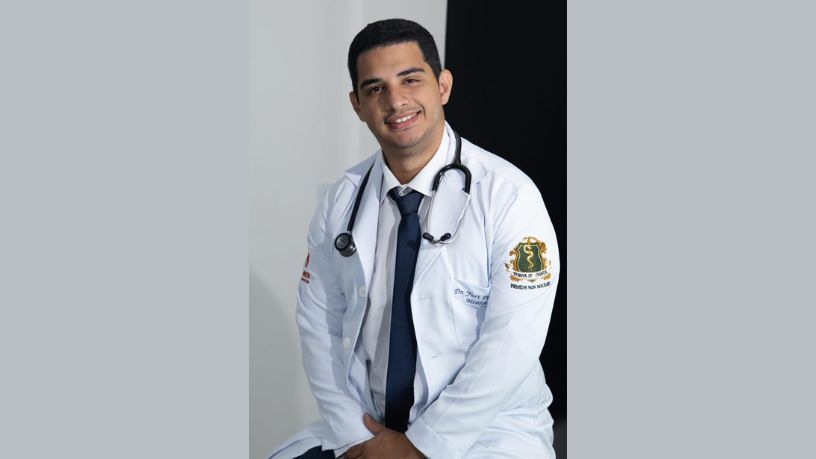
Yuri Silva Portela explains that the occupational therapist’s home visit is one of the most cost-effective, high-impact preventive interventions available in geriatrics. It not only identifies risks that no outpatient consultation can detect, but also offers practical, immediate solutions that the elderly and their families can implement without major financial resources.
Cognition, Occupation, and the Role of “Doing” in Brain Aging
Occupational therapy also works at the intersection of cognitive function and daily activity, a territory that is especially relevant in caring for older adults with mild cognitive impairment or early-stage dementia. In fact, engagement in purposeful activities, structured appropriately for the patient’s cognitive level, stimulates brain circuits, helps maintain preserved skills, and contributes to quality of life, even in advanced stages of cognitive decline.
As Dr. Yuri Silva Portela clarifies, the occupational therapist working with elderly patients with dementia does not seek to restore what was lost, but rather to identify what is still possible and build a routine of activities around that to sustain the patient’s dignity, pleasure, and sense of competence. In short, when well-managed, this approach reduces agitated behaviors, improves mood, and alleviates caregiver burden.
Occupational Therapy in Community Health Teams
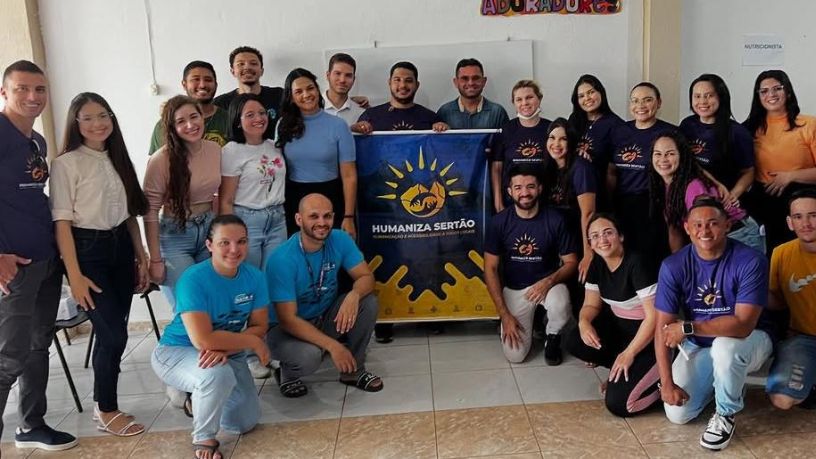
In community health contexts, such as those served by the Humaniza Sertão project, occupational therapy plays a role that goes beyond individual care. Identifying environmental and social barriers that compromise the elderly’s participation in community life, guiding informal caregivers on how to support autonomy without taking over, and developing collective activities tailored to the abilities of the elderly in each community are contributions that transform not only individuals, but entire territories.
Ultimately, as evidenced by Dr. Yuri Silva Portela, who holds a postgraduate degree in geriatrics, a geriatric team that includes an occupational therapist cares for the elderly in a more complete, effective, and human-respecting way. The ultimate goal of elder care is not just to keep them alive; it is to ensure they continue doing, participating, and being, as far as possible, the active authors of their own stories.