


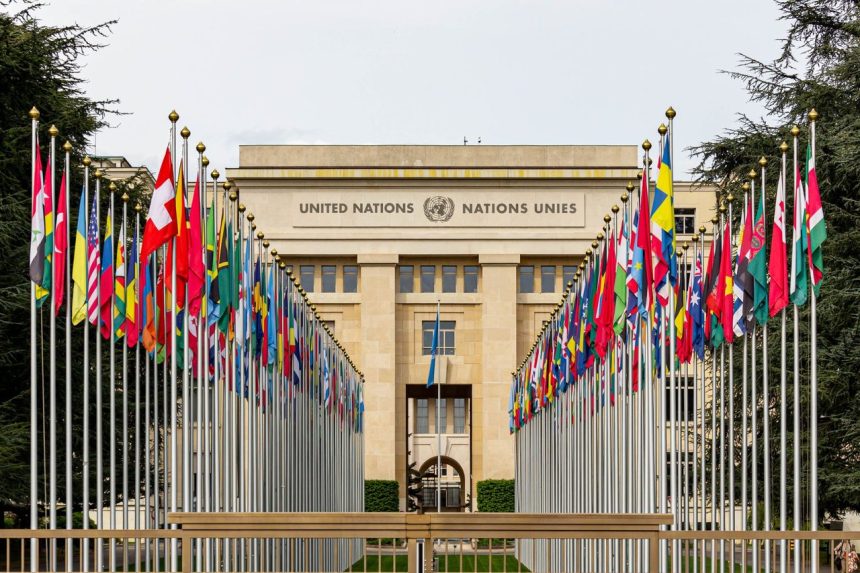
The United Nations General Assembly approved a resolution calling for an end to the United States’ economic embargo against Cuba, but the measure attracted its weakest level of support in three decades, according to Agência Brasil. The result points to a changing diplomatic landscape in the Western Hemisphere, where Cuba has traditionally found broad backing for resolutions opposing U.S. economic pressure.
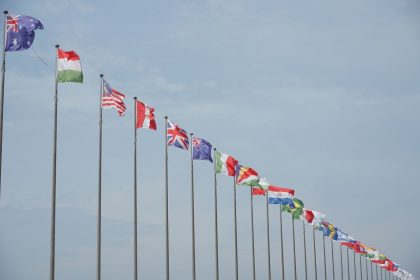
The vote took place on October 29, 2026. The resolution was approved by 130 votes in favor, 17 against and 25 abstentions, as reported by Agência Brasil. The United States voted against the measure, while Brazil supported it. Although the resolution passed comfortably, the lower level of backing compared with previous years gives the result a different political meaning for Havana and for governments across Latin America and the Caribbean.
A narrower margin for a long-running resolution
For decades, Cuba has used the General Assembly vote to demonstrate that opposition to the U.S. embargo extends well beyond the island’s own government. The annual measure is not presented in the report as a change to U.S. policy itself, but it provides a public record of how countries position themselves on the dispute in a multilateral forum.
This year, several countries that have historically supported Cuba did not vote in favor of the resolution. Agência Brasil identified Chile, Honduras, Guyana, Haiti, Jamaica and Peru among the Latin American and Caribbean countries whose positions differed from the traditional pattern of support. The report does not establish a single explanation for each government’s vote, but their choices contributed to the resolution’s weaker result.
The shift is significant because it shows that diplomatic support for Havana is not uniform across the region. Governments that maintain political, economic or diplomatic ties with both Cuba and the United States may be weighing their positions more cautiously. The vote therefore reflects not only the dispute between Washington and Havana, but also the room that other American countries have to maneuver between the two.
Pressure from Washington and Cuba’s response
Agência Brasil described the vote as taking place under pressure from the administration of President Donald Trump. The report links that pressure to Cuba’s diplomatic challenge at the United Nations, where the island sought to preserve international opposition to the embargo despite the decline in support.
After the vote, Cuba’s ambassador in Brazil commented on the measure and its consequences. Those statements should be distinguished from the formal vote itself: the resolution establishes how governments voted, while the ambassador’s comments express the Cuban government’s interpretation of the embargo and its effects. Claims about humanitarian or economic damage made by the ambassador are therefore presented as official Cuban statements, not as independently verified findings in the available reporting.
That distinction matters in a debate shaped by competing political narratives. Cuba regards the U.S. embargo as a central obstacle to its economy and international relations. Washington, by voting against the resolution, maintained its opposition to the measure adopted by the General Assembly. The vote did not resolve that disagreement, but it made the regional diplomatic balance more visible.
Why Brazil’s position matters
Brazil’s vote in favor places Brasília alongside the majority of countries supporting the resolution. Its position is relevant because Brazil is one of the largest countries in the Americas and frequently emphasizes multilateral diplomacy in international debates. In this case, supporting the resolution signals opposition to the continuation of the U.S. embargo within the United Nations framework, even as the vote does not by itself change bilateral U.S.-Cuba policy.
For Latin American and Caribbean governments, the result may also serve as an indicator of how regional alignments are evolving. The resolution still received broad support, but the participation of fewer traditional backers suggests that Cuba’s diplomatic position faces greater uncertainty. The governments that supported, rejected or abstained from the measure now provide a clearer map of how the region is responding to pressure from Washington.
The immediate outcome is a formal reaffirmation of the General Assembly’s opposition to the U.S. embargo. The broader political message is more complex: Cuba retains substantial support among U.N. members, but its coalition in the Americas is less consistent than in earlier years. That tension is likely to remain central to debates over U.S. policy, regional sovereignty and the role of multilateral institutions in the Western Hemisphere.