
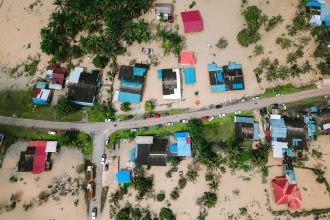


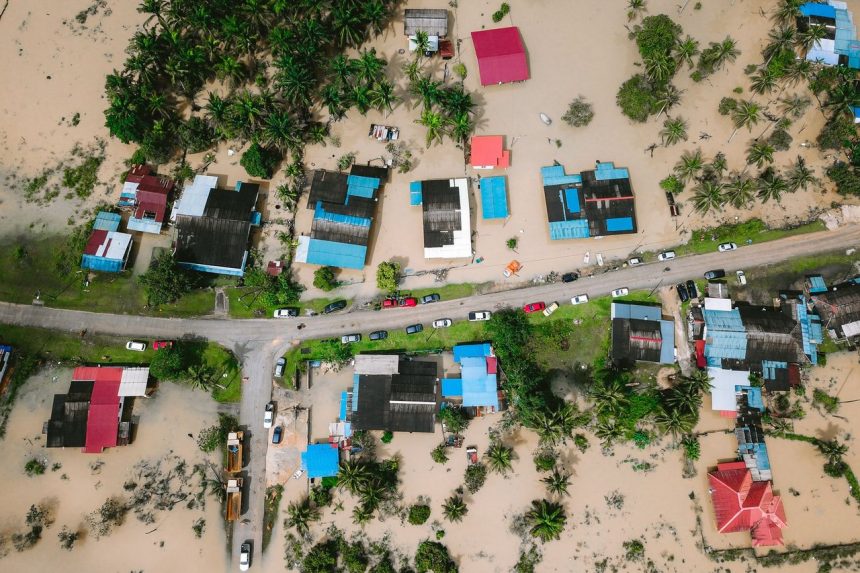
Heavy rains caused deadly flooding in Haiti and the Dominican Republic on October 27, 2026, damaging homes and forcing families from affected communities, according to officials cited by the Associated Press. The disaster created a new humanitarian emergency across the Caribbean, with authorities confronting the immediate consequences of water overwhelming vulnerable areas and residential structures.
The available report does not establish a single regional casualty total or provide a comprehensive estimate of property losses. It does, however, describe deaths in both countries and extensive disruption for residents whose homes were damaged or destroyed. The situation underscores how quickly intense rainfall can become a humanitarian crisis when communities have limited protection from flooding and families are forced to leave their homes.
Deaths and damaged homes reported in both countries
In Haiti, officials reported deaths and destruction linked to the flooding, while residents in affected areas faced displacement and uncertainty about the condition of their homes. The report also described serious consequences in the Dominican Republic, where heavy rain inundated vulnerable areas and damaged residential structures. Because the event was still developing when the Associated Press published its account, additional assessments may be required before the full scale of the damage is known.
The immediate concern for displaced families is access to safety and basic support after leaving flooded homes. Communities must also determine whether damaged structures can be occupied and how residents will protect personal belongings from further rain or rising water. The information available from officials and the Associated Press confirms the human cost of the flooding, but it does not provide enough detail to identify the number of people displaced or the precise locations of every affected neighborhood.
A cross-border Caribbean emergency
The simultaneous impact reported in Haiti and the Dominican Republic gives the disaster a broader regional dimension. The two countries are facing the consequences of the same type of extreme weather threat: heavy rainfall that can rapidly overwhelm vulnerable communities. For readers across the Americas, the episode illustrates how flooding can affect neighboring countries at the same time, even when local authorities must organize emergency responses within separate national systems.
The event also highlights the importance of reliable public information during a disaster. Authorities need to identify affected areas, account for displaced residents and communicate whether homes remain safe. Those tasks are especially important when reports of deaths and damaged residences emerge quickly. The Associated Press Latin America coverage places the flooding within a region where humanitarian crises, extreme weather and infrastructure vulnerabilities can overlap, increasing pressure on local communities.
Why the damage may take time to measure
Early reports after flooding often focus on the most visible consequences: deaths, destroyed homes and families forced to move. A complete assessment usually requires authorities to reach affected areas, inspect buildings and compare information from local communities. In this case, the report available on October 27 did not include a confirmed estimate of total economic damage or a final count of casualties. Those figures should not be projected without confirmation from civil-protection authorities or emergency-management agencies in Haiti and the Dominican Republic.
The lack of a complete tally does not diminish the seriousness of the emergency. Families who have lost homes or cannot return to damaged residences face immediate risks, while local authorities must manage needs that can change as rain continues or floodwater recedes. The first response is therefore both a rescue effort and an information-gathering process, with officials expected to update the public as conditions become clearer.
Regional vulnerability and the next phase
Flooding of this scale raises wider questions about preparedness in Caribbean countries exposed to intense rainfall and other climate-related hazards. The immediate story is about deaths, damaged homes and displacement in Haiti and the Dominican Republic, but the broader concern is whether vulnerable communities have enough protection, planning and emergency capacity to withstand repeated disasters. The available reporting does not quantify those risks, yet the damage described by officials demonstrates how quickly extreme rainfall can undermine housing and community stability.
For now, the priority remains supporting affected families, confirming the extent of the destruction and establishing which communities need urgent assistance. Further casualty figures, damage estimates and details of official response should be treated as unconfirmed unless released by competent authorities. The Associated Press report provides the verified starting point: flooding on October 27 caused deaths and damaged homes in Haiti and the Dominican Republic, leaving communities across the Caribbean to manage a rapidly unfolding humanitarian crisis.