


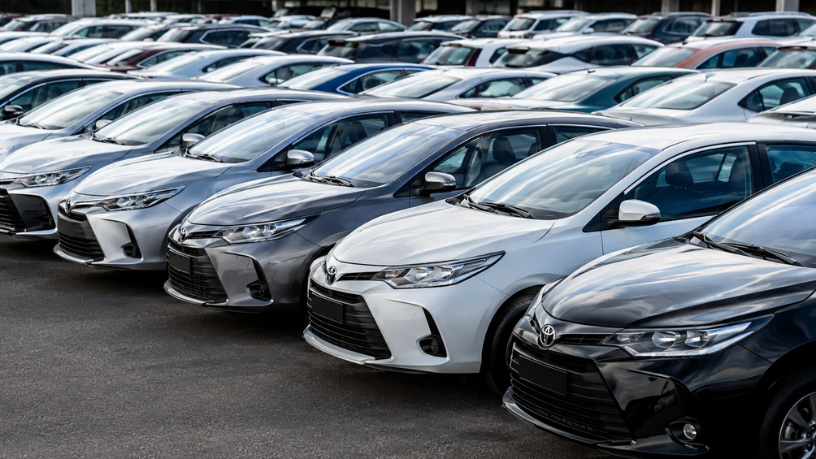
In recent years, the Brazilian automotive market has undergone changes that have transformed the way people buy, maintain, and use their vehicles. Factors such as rising parts costs, exchange rate fluctuations, and the advancement of new in-vehicle technologies have contributed to a more dynamic environment, in which consumers conduct more research before making decisions and consider alternatives that previously played a secondary role in their automotive routines.
This shift in consumer behavior has brought the automotive sector closer to segments that have gained increasing relevance, such as vehicle protection services. As noted by David do Prado, a sales professional with more than 10 years of experience in the automotive and vehicle protection sectors, changes in Brazilian consumer behavior are directly linked to the search for solutions that balance cost, safety, and convenience in an economic environment that remains sensitive to fluctuations.
New Consumer Habits in the Automotive Sector
Brazilians’ relationship with cars is no longer purely functional and now incorporates criteria such as fuel economy, maintenance costs, and the availability of assistance in the event of unforeseen circumstances. Buyers have begun comparing not only the price of a vehicle but also the full range of expenses associated with maintaining it over the years, making the decision-making process more careful and informed.
This more analytical approach among buyers has also driven demand for complementary services that help reduce financial risks. Market research, price comparison apps, and recommendations from other consumers have become part of the purchasing journey, making vehicle selection increasingly connected to subsequent decisions regarding protection and maintenance.
The Rise of Vehicle Protection as an Alternative to Traditional Insurance
One of the main challenges of owning a vehicle in Brazil is the high cost of traditional insurance, particularly in metropolitan areas. Against this backdrop, vehicle protection associations have gained ground by offering a cost-sharing model among members, with generally more affordable monthly fees and less stringent membership requirements than those imposed by conventional insurance companies.
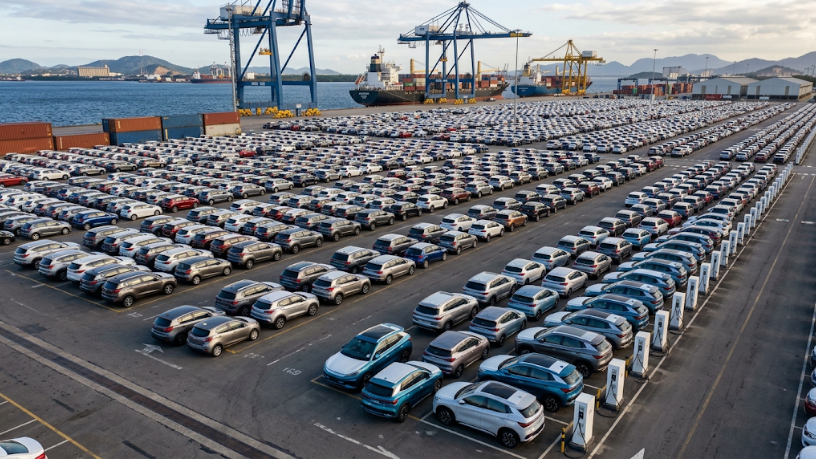
David do Prado points out that the migration of some consumers to the association-based model reflects both financial considerations and a cultural shift, in which trust in collective protection solutions has begun to coexist with growing interest in transparency regarding coverage rules. Companies such as Aproest Proteção Veicular have followed this movement by adapting their plans to the specific needs of different driver profiles.
Technology and Digitalization Are Transforming the Consumer Experience
Digitalization has also reshaped how consumers interact with the automotive market. Online buying and selling platforms, financing simulators, and digital customer service channels have reduced the number of steps that previously required in-person visits, making processes such as obtaining quotes, signing up for services, and tracking claims faster and more convenient.
According to David do Prado, this digital transformation goes hand in hand with greater consumer expectations regarding response times and the clarity of the information provided. Apps that allow users to request roadside assistance, track processes, and check coverage in real time have gradually become an important differentiator when choosing among different service providers.
Outlook for the Brazilian Automotive Market
The current landscape indicates that the combination of more informed consumption, process digitalization, and the search for more affordable protection alternatives will continue to shape the decisions of Brazilian drivers in the coming years. Hybrid models that combine technology with personalized customer service are expected to gain even more ground.
As David do Prado emphasizes, understanding these transformations requires looking beyond vehicle sales figures and examining how consumers approach maintenance, safety, and unexpected situations in their daily lives. This broader perspective on the industry helps explain why vehicle protection has moved from a supporting role to becoming a central part of the automotive experience in Brazil.