



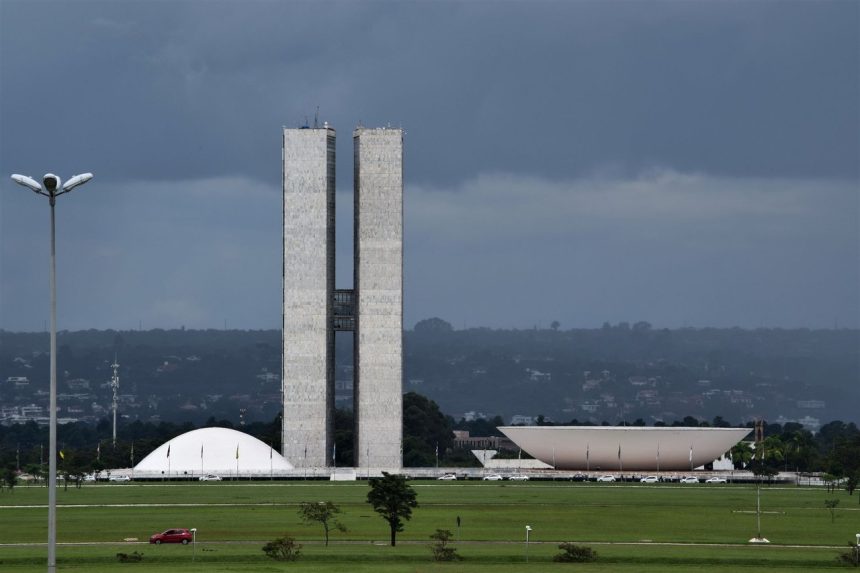
The first political signal from Brazil’s Congress after Luiz Inácio Lula da Silva’s reelection focused less on electoral disputes and more on the governing relationship that will begin with the president’s new term. In a joint statement in Brasília on October 25, 2026, Chamber of Deputies Speaker Hugo Motta and Federal Senate President Davi Alcolumbre recognized the election result and highlighted institutional stability as a priority for the period ahead.
The message places the National Congress at the center of the next phase of Brazilian politics. With the presidential race concluded, the administration will have to build working relationships with lawmakers while addressing a political environment marked by strong polarization. The congressional leaders’ statements indicated that reducing tensions and preserving democratic institutions will be important conditions for the country’s next political cycle.
According to Agência Brasil, Motta said Lula would have a new opportunity to reconcile the country and govern for all Brazilians. Alcolumbre emphasized national unity, institutional stability and respect for democratic institutions. Together, the positions presented the post-election period as a test of coordination among the branches of government.
Congressional relationship becomes an immediate challenge
The statements do not define a legislative agenda or guarantee support for the executive branch. They do, however, establish the institutional tone for the relationship between the presidency, the Chamber and the Senate. In Brazil’s political system, the ability to negotiate with Congress affects the progress of government proposals, the discussion of public spending priorities and the approval of measures that require legislative support.
That makes the coming period relevant not only to political parties but also to citizens who depend on decisions made in Brasília. The handling of the federal budget, the consideration of new bills and the government’s ability to advance policies will be influenced by how the executive and legislative branches manage disagreements. A call for pacification can create room for dialogue, but it does not replace negotiations over the substance of each proposal.
The post-election environment may therefore combine institutional cooperation with continued political competition. The declarations by Motta and Alcolumbre indicate an interest in protecting the functioning of the democratic system, while the new administration will still need to demonstrate its capacity to organize priorities and build majorities in Congress.
A message aimed at lowering political tension
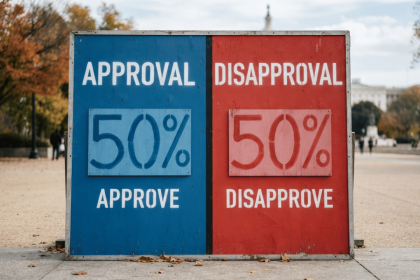
The emphasis on reconciliation also reflects the broader challenge created by an election described in the briefing as strongly polarized. Political polarization can make communication between institutions more difficult and increase the pressure surrounding legislative decisions. By calling for stability and respect for democratic institutions, the congressional leadership sought to frame the transition to the new term around continuity in the functioning of public institutions rather than an extension of the electoral confrontation.
The Senate’s official news portal provides the institutional context for the Federal Senate’s role after the 2026 election and for Alcolumbre’s position as one of the leaders responsible for coordinating the legislative house. His remarks, alongside Motta’s statement, show that both chambers are publicly presenting institutional dialogue as a central concern at the start of the new presidential period.
For Lula, the message offers both an opening and a responsibility. The reference to a new opportunity to bring the country together suggests that expectations will extend beyond the election result itself. The president will be expected to govern across political divisions, while Congress will remain a key arena for resolving disputes and deciding which government priorities can move forward.
What comes next for Brazil’s political system
The next steps will depend on the practical relationship established between the executive and legislative branches after the election. The public statements by the congressional leaders are an initial indication of intent, not a final agreement on policy. Their impact will become clearer as lawmakers and the administration address the projects, budget discussions and institutional demands of the new term.
The central issue is whether the call for pacification can be translated into predictable institutional cooperation. For the public, that could mean a political environment more focused on government decisions and less dominated by electoral confrontation. For the branches of government, it will require maintaining respect for democratic rules while handling disagreements through negotiation and the formal mechanisms of Congress.
By recognizing Lula’s reelection and stressing stability, Motta and Alcolumbre have placed institutional coordination at the heart of the post-election debate. The new presidential term will now test whether that message can support effective governance in a country still facing the effects of deep political division.