





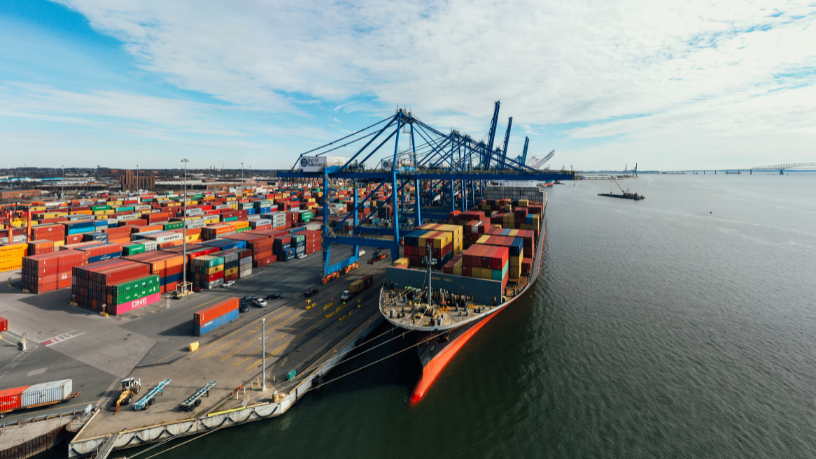
The financial performance of internationally active companies demonstrates how geographic diversification can balance market fluctuations. Strong gains in North America, even amid rising imports in Brazil, highlight a corporate strategy focused on stability through expansion into more predictable economies. This article analyzes how North American results offset domestic pressures, the factors driving this movement, and the practical implications for investors, businesses, and the Brazilian economy.
Rising imports in Brazil often put pressure on profit margins, particularly during periods of currency volatility or higher logistics costs. Companies heavily dependent on the domestic market tend to reflect these pressures quickly in their financial results. However, firms with an established presence in North America operate in a more stable economic environment, characterized by clearer regulations and consistent consumer demand.
Gains in North America represent more than positive balance sheet figures. They reflect access to a high-income market, consolidated infrastructure, and more transparent economic policies. This combination reduces operational risk and allows for long-term planning. While the Brazilian landscape faces challenges such as exchange rate swings and fluctuating domestic demand, the North American market generally offers greater predictability.
At the same time, rising imports in Brazil are linked to several factors, including the competitiveness of foreign products, trade agreements, and the need for industrial inputs. Although importing can enhance competitiveness in certain sectors, excessive growth in foreign purchases may affect the trade balance and pressure local producers.
Within this context, North American gains function as a financial buffer. Companies operating across multiple markets can dilute regional risks. If domestic performance weakens, international results help stabilize cash flow and preserve investor confidence.
From a strategic standpoint, international diversification is no longer merely a growth initiative but a protective mechanism. Exposure to different currencies and economic cycles creates a natural hedge. When one economy slows, another may be expanding. This dynamic reduces structural vulnerability and enhances long-term resilience.
For investors, this distinction matters. Companies concentrated in a single country tend to experience sharper volatility during economic downturns. In contrast, businesses reporting strong gains in North America while managing rising imports in Brazil signal adaptability and stability. Financial markets consistently reward predictability and risk management capacity.
In Brazil, increasing imports also reflect shifts in consumption patterns and supply chains. Companies reliant on foreign inputs must navigate currency exposure and cost variability. A weaker Brazilian real can compress margins, while access to international suppliers may improve product quality and competitiveness.
The relationship between North American gains and rising imports in Brazil highlights a structural transformation in corporate strategy. The traditional model, heavily dependent on domestic demand, is giving way to globally integrated operations. This shift requires sophisticated financial management and continuous monitoring of international conditions.
Country risk perception also plays a significant role. Brazil continues to face fiscal challenges and regulatory uncertainties, whereas the United States and Canada provide comparatively stable institutional frameworks. This does not eliminate risk, but it enhances clarity and reduces unpredictability. For publicly traded companies, this distinction directly influences market valuation.
A solid presence in North America also strengthens corporate reputation and expands access to global capital markets. International investors often place greater confidence in companies operating within developed economies. This trust translates into improved financing conditions and broader expansion opportunities.
From a macroeconomic perspective, rising imports in Brazil can signal either stronger domestic demand or growing dependence on foreign goods. The outcome depends on balance. Strategic importing can increase efficiency and innovation, but excessive reliance may weaken domestic production.
Companies capable of leveraging North American gains to invest in modernization and innovation within Brazil demonstrate strategic maturity. Profits generated abroad can fund technological upgrades, operational expansion, and long-term competitiveness at home.
The combination of strong international performance and domestic challenges underscores the importance of integrated global management. Today’s economic environment demands agility, strategic vision, and diversified revenue streams. Organizations that understand this dynamic are better positioned to navigate adverse cycles and sustain growth.
Looking ahead, this trend is likely to intensify. In an increasingly interconnected global economy, relying solely on one market presents growing risks. The ability of North American gains to offset rising imports in Brazil illustrates how geographic diversification has become a central pillar of corporate sustainability.
This evolving landscape reinforces a practical lesson for businesses and investors alike. Strategic international expansion, disciplined risk management, and balanced exposure to multiple economies are no longer optional advantages but essential components of long-term competitiveness in a volatile global market.