


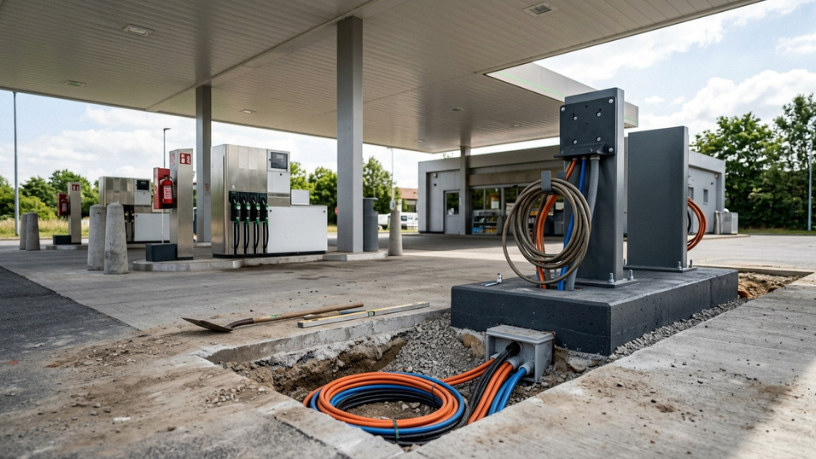
Gas stations are entering a period of structural change, and the energy transition is already reshaping the profile of customers who stop to refuel. As the management of Rede GTB, one of Rio de Janeiro’s most traditional fuel retailers, points out, owners who assess their businesses systematically make better investment decisions and avoid premature spending. However, diversifying energy sources to include electricity, biofuels, and gas requires a careful assessment of each location before any construction or renovation begins.
This shift is also unfolding at different speeds across the country. In some regions, electric vehicle charging is already generating revenue, while in others, consumers are still making relatively few inquiries. Therefore, the assessment needs to cover location, customer vehicle fleet, electrical infrastructure, services, and staff. In the following sections, we will explore examples of each criterion that you can apply to your business.
Why Conduct an Assessment Before Investing?
Installing fast chargers without prior research may seem like a shortcut, but it can turn into a stranded investment. Imagine a highway gas station that purchases three charging units only to discover that the local power grid cannot handle the additional load. The capital becomes tied up in equipment that cannot be used as intended. In this context, an assessment turns intuition into a decision-making framework and helps prioritize investments, Rede GTB emphasizes.
The order in which decisions are made matters just as much as the amount invested. Therefore, starting by examining the market and existing infrastructure reduces risk and allows investments to be phased in as actual demand validates the business case, rather than committing all the resources at once.
How Do Location and Vehicle Fleet Determine a Gas Station’s Potential?
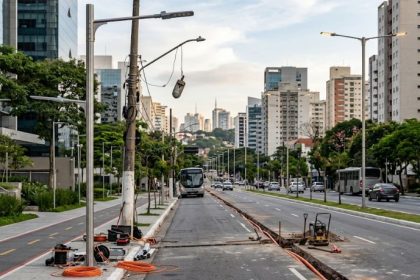
Location answers the first question: who passes by this site, and how long do they stay? An urban gas station near offices and residential complexes serves drivers who may remain in the area for extended periods. A highway location, on the other hand, serves travelers looking for speed and convenience. In other words, daily traffic, nearby businesses, and the presence of competitors indicate which type of charging service makes the most sense, Rede GTB’s management stresses.
The vehicle fleet served by the station completes the picture. Ride-hailing vehicles, delivery vans, and light trucks follow predictable routines and place a high value on fast refueling. Private motorists, meanwhile, make decisions based on convenience. With this in mind, recording the profiles of customers who visit the station, including their arrival times and vehicle types, helps determine whether there is demand for electric vehicle charging, compressed natural gas (CNG), or biofuels.
Electrical Infrastructure: The Most Common Bottleneck
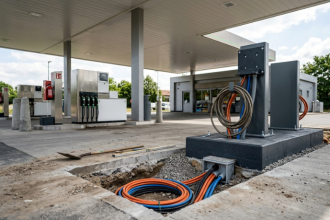
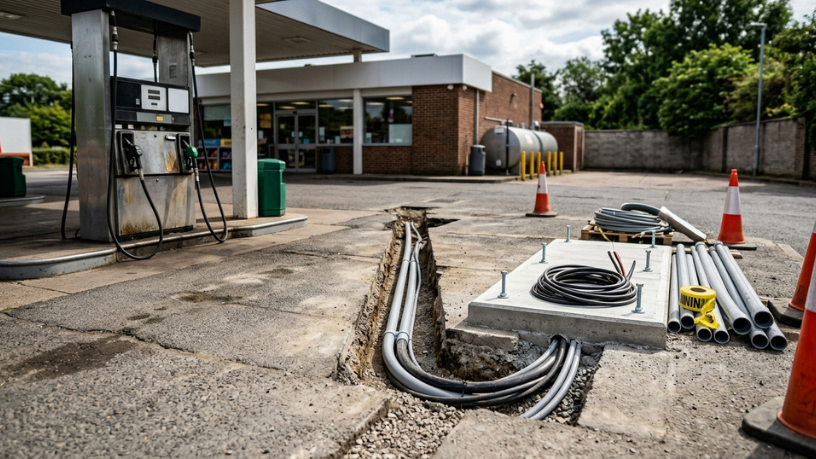
Electrical infrastructure determines how quickly a gas station can adapt. Fast chargers require substantial power capacity, and many locations operate with transformers sized only for lighting, fuel pumps, and convenience store operations. According to Rede GTB, the assessment examines contracted power capacity, the condition of the electrical distribution panel, grounding, and available space for expansion. If the grid requires upgrades, the utility company must be included in the project timeline.
The electrical assessment should take place early because it determines the project’s overall design. A gas station with sufficient spare capacity can start with a few charging points and expand in stages. Another location with limited capacity may need to combine solar power generation, energy storage, or a more streamlined operating model.
How Do Services and Staff Support the Customer Experience?
Electric vehicle drivers spend more time at the station, and that interval creates an opportunity. A convenience store, coffee shop, rest area, internet access, and clean restrooms can make that time more comfortable. The assessment should list the services the station already provides and identify what is missing to turn charging time into an opportunity for additional sales and customer loyalty.
Finally, staff complete the picture. Attendants and managers need to explain how charging works, provide payment guidance, and respond appropriately to malfunctions or accidents. According to Rede GTB’s management, even the best equipment loses value without properly trained staff, because customers who encounter confusion or unreliable service are unlikely to return to the same location.
A Thorough Assessment Prepares Gas Stations for the Future of Mobility
Ultimately, the energy transition does not require gas stations to abandon what already works. Instead, it calls for a realistic assessment of the location, customer base, electrical infrastructure, services, and staff. By conducting an assessment first, owners can invest with greater clarity and attract tomorrow’s drivers without sacrificing today’s profitability.