





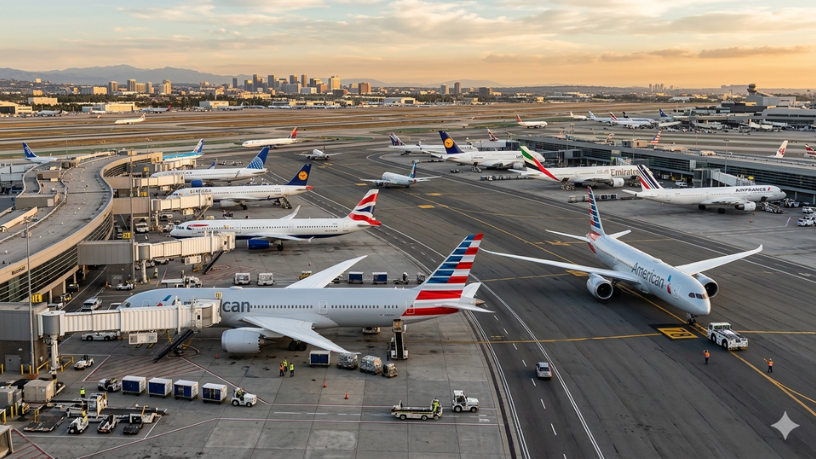
The decision by American Airlines to expand its flight schedule for summer 2026 reflects much more than a seasonal increase in travel demand. The move highlights a broader transformation taking place across the aviation industry as airlines compete aggressively for international passengers, strengthen profitable routes, and adapt to new consumer expectations. With tourism and corporate travel continuing to recover worldwide, airlines are investing heavily in route expansion to secure long term market growth.
The airline sector has spent the last few years navigating economic instability, operational challenges, rising fuel costs, and shifting passenger behavior. After a prolonged period of uncertainty, travel demand has returned with remarkable strength, especially on international routes connecting major business and leisure destinations. In this environment, American Airlines is positioning itself to capture a larger share of global travel during one of the busiest tourism periods of the year.
Summer travel in the Northern Hemisphere traditionally generates enormous passenger volumes, particularly between North America, Europe, and Caribbean destinations. Airlines understand that strong seasonal performance can significantly influence annual financial results. Expanding schedules during peak travel months allows companies to maximize aircraft utilization while responding to growing consumer demand for direct and convenient flights.
The strategy adopted by American Airlines also reflects changing priorities among travelers. Modern passengers increasingly seek flexibility, shorter travel times, and reliable international connections. Direct routes have become especially valuable as travelers attempt to avoid lengthy layovers and airport congestion. By increasing flight frequencies and expanding destination coverage, airlines aim to improve customer satisfaction while strengthening brand loyalty in an increasingly competitive market.
Another important factor behind the expansion is the continued recovery of corporate travel. Although remote work reshaped business mobility patterns in recent years, international conferences, trade events, and face to face meetings remain essential for many industries. Business travelers continue to represent one of the most profitable segments for airlines because they often purchase premium seats and flexible ticket options. Strengthening international schedules allows carriers to better serve both leisure and corporate passengers simultaneously.
The growing competition among global airlines has also accelerated investments in customer experience. Travelers are no longer choosing flights based solely on ticket prices. Factors such as onboard comfort, digital booking systems, airport partnerships, loyalty programs, and schedule reliability now play a decisive role in consumer decisions. Airlines that fail to modernize their services risk losing relevance in a market where passengers have more options than ever before.
At the same time, the expansion of international air travel creates operational challenges that airlines must carefully manage. Airports in major cities are already experiencing increased congestion during peak travel periods. Delays, staffing shortages, and infrastructure limitations continue to affect passenger experiences across several regions. As airlines add more flights to meet demand, maintaining operational efficiency becomes increasingly critical.
The environmental debate surrounding aviation growth also remains impossible to ignore. The expansion of airline schedules often generates criticism from environmental groups concerned about carbon emissions and the long term sustainability of air travel. In response, many airlines have intensified investments in fuel efficient aircraft, sustainable aviation fuel, and carbon reduction initiatives. The pressure for greener aviation solutions is likely to shape the future of global airline strategies over the next decade.
For tourism dependent economies, expanded airline schedules often bring significant economic benefits. Increased flight availability stimulates hotel occupancy, boosts local commerce, and supports employment across multiple sectors connected to tourism. Cities and countries that maintain strong international connectivity tend to attract more visitors, investors, and large scale events, reinforcing the strategic importance of aviation for economic development.
The growth of premium travel experiences is another trend influencing airline expansion plans. Many travelers are willing to spend more on comfort, exclusive services, and upgraded cabin experiences after years of travel restrictions and uncertainty. Airlines are responding by enhancing premium seating options, airport lounges, and onboard amenities designed to attract higher spending passengers.
Technology is also reshaping how airlines approach route planning and customer engagement. Advanced data analysis allows companies to predict demand more accurately and optimize scheduling decisions. Artificial intelligence, digital check in systems, and personalized travel recommendations are becoming increasingly important tools for improving operational performance and passenger satisfaction.
The aggressive expansion planned for summer 2026 demonstrates how confident major airlines have become about the continued strength of global travel demand. Despite economic fluctuations and operational risks, the aviation industry is entering a new phase defined by competition, modernization, and strategic international growth.
As travelers prepare for another busy summer season, airlines are no longer competing only on destinations. They are competing on efficiency, experience, reliability, and the ability to adapt quickly to a rapidly evolving global travel market.