




The energy storage sector in the United States is undergoing a transformative shift, driven by technological innovation and strategic partnerships. Samsung SDI and LF’s recent $1.2 billion agreement to supply lithium iron phosphate (LFP) cathodes for the U.S. energy storage market exemplifies this evolution. This collaboration highlights how advanced battery technologies, combined with strategic investments, are reshaping energy infrastructure, accelerating the adoption of sustainable solutions, and influencing the global energy landscape. This article explores the implications of this deal, the strategic importance of LFP technology, and its practical impact on the U.S. market.
LFP cathodes are recognized for their safety, longevity, and cost-effectiveness compared to traditional lithium-ion chemistries. Their stability under high temperatures and reduced risk of thermal runaway make them particularly suitable for large-scale energy storage applications. By investing in LFP production, Samsung SDI and LF are positioning themselves to meet the growing demand for reliable, durable, and environmentally friendly battery solutions. This focus aligns with broader trends in the U.S. energy market, where utilities and developers increasingly prioritize long-term performance and resilience in grid-scale storage projects.
The $1.2 billion deal signifies more than just a commercial transaction; it reflects a strategic alignment between technological leadership and market expansion. Samsung SDI’s expertise in battery design and LF’s specialization in cathode materials create a synergistic partnership capable of scaling rapidly. This collaboration allows both companies to leverage their strengths, reduce production bottlenecks, and respond more efficiently to the surging demand for energy storage systems in the United States. For the U.S. market, this means accelerated deployment of batteries that support renewable energy integration, grid reliability, and carbon reduction goals.
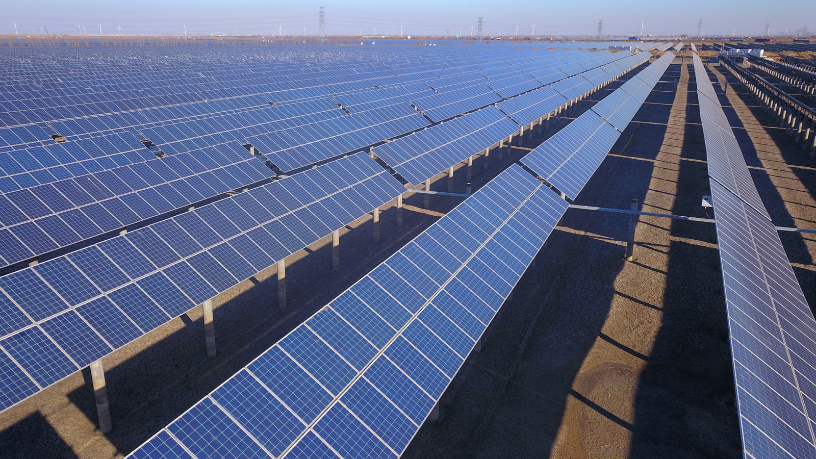
Energy storage is increasingly recognized as a critical component of the transition to renewable energy. Solar and wind power, while clean and sustainable, require effective storage solutions to address intermittency and ensure a stable electricity supply. LFP batteries, with their extended cycle life and safety profile, are particularly well-suited for these applications. The Samsung SDI-LF deal demonstrates a practical commitment to scaling these technologies, providing the infrastructure needed to integrate renewables more effectively into the national grid.
Strategically, this partnership strengthens U.S. energy security and positions the country as a hub for advanced battery production. Domestic deployment of LFP technology reduces reliance on imported materials and supports the development of local supply chains. This has far-reaching implications, not only for the energy sector but also for technological competitiveness. By fostering innovation and investment in domestic energy storage capabilities, the U.S. can accelerate its transition toward a more resilient and low-carbon energy system.
The commercial and technological benefits of the Samsung SDI-LF collaboration also extend to industries beyond utilities. Electric vehicle manufacturers, data centers, and industrial energy users all stand to gain from the expanded availability of high-performance LFP batteries. Lower production costs and improved safety features make these batteries a practical choice for diverse applications, enhancing operational efficiency and supporting sustainable growth across multiple sectors.
Moreover, the deal underscores the importance of proactive investment in advanced materials and battery chemistry. By focusing on LFP cathodes, Samsung SDI and LF are anticipating future market demands and positioning themselves to address challenges related to supply chain stability, resource scarcity, and environmental impact. This forward-looking approach reflects a broader strategic vision that balances immediate commercial objectives with long-term industry sustainability.
In the broader context of global energy transition, the $1.2 billion LFP cathode deal signals a shift toward safer, more reliable, and cost-effective energy storage solutions. It demonstrates how strategic partnerships and technological innovation can converge to meet the growing needs of the U.S. energy market. As utilities, businesses, and policymakers navigate the challenges of renewable integration and carbon reduction, investments like these provide a tangible pathway toward achieving resilience, sustainability, and energy independence.
The Samsung SDI and LF partnership represents a decisive step in the evolution of the U.S. energy storage market. By advancing LFP technology and ensuring its practical deployment at scale, the collaboration sets a benchmark for industry standards and signals confidence in the long-term growth of the sector. The implications extend beyond immediate commercial success, shaping the trajectory of energy infrastructure, supporting the integration of renewables, and reinforcing the strategic importance of innovation-driven partnerships in the transition to a low-carbon economy.
Autor: Diego Velázquez