





Graphic design in the editorial sector is a decisive element for transforming content into a clear, organized, and professional experience, and as presented by Dalmi Fernandes Defanti Junior, founder of Gráfica Print, a publication must communicate value even before the full reading begins. In books, magazines, catalogs, and institutional materials, visual identity guides the eye, reinforces credibility, and creates a connection between message, brand, and audience.
Throughout this article, it will be analyzed how graphic design contributes to editorial publications, why visual identity improves the perception of printed materials, and how choices such as typography, colors, images, and finishing influence reading. The purpose is to show that design does not act as a decorative detail, but as a strategic part of communication.
If you would like to know more about design linked to the editorial sector, this article is for you. Check below and learn more.
Why is graphic design essential in the editorial sector?
Graphic design is essential in the editorial sector because it organizes information that, without visual structure, may seem excessive, confusing, or unattractive. An editorial publication needs rhythm, hierarchy, and coherence to guide the reader from beginning to end without causing fatigue or loss of interest.
As reflected by Dalmi Fernandes Defanti Junior, this care is important because books and magazines compete for the attention of people accustomed to consuming information in different formats. When the graphic project facilitates reading, values images, and highlights relevant content, the publication gains more strength and conveys greater professionalism.
Additionally, design helps define the personality of the material. A corporate magazine, a technical book, a cultural publication, and a commercial catalog require different visual languages, since each project needs to communicate with its audience, purpose, and communicational function.
How does visual identity improve books, magazines, and printed materials?
Visual identity improves publications because it creates unity between the cover, internal pages, titles, images, colors, and graphic elements. This consistency allows the reader to recognize the material’s standard, understand the organization of information, and perceive greater care in the editorial construction.
Visual identity also strengthens brands, publishers, companies, and institutional projects, because it transforms printed material into an extension of the professional image. In this way, when visual coherence exists, the content appears more trustworthy, reading becomes more fluid, and communication gains greater impact.
This aspect is especially relevant in materials circulated in corporate, educational, or commercial environments. As clarified by Dalmi Fernandes Defanti Junior, a poorly organized institutional magazine may harm brand perception, while a well-constructed book or catalog reinforces seriousness, attention to detail, and commitment to quality.
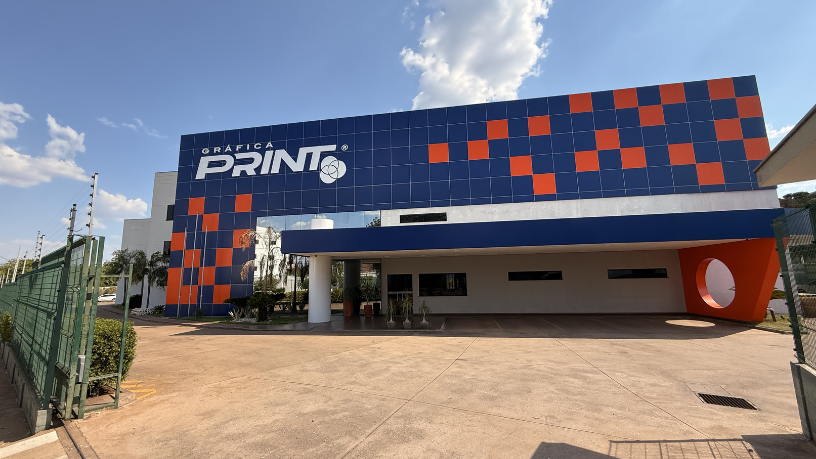
Graphic design in the editorial sector organizes information and strengthens brands
Graphic design in the editorial sector has the function of organizing content so that information is understood clearly. This involves defining visual weights, highlighting important passages, balancing white space, choosing appropriate fonts, and ensuring that each page has logic within the whole set.
According to the founder of Gráfica Print, Dalmi Fernandes Defanti Junior, this visual organization prevents the reader from getting lost among long texts, poorly positioned images, or overloaded pages. Good design creates a kind of silent path, guiding reading without needing to explain its own presence.
It is also at this point that design strengthens brands. The way a publication is presented communicates care, positioning, and identity. Even before evaluating the content in depth, the reader perceives whether there is professionalism in the visual choices, finishing, and coherence between the pages.
Visual quality influences perception, reading, and content value
Visual quality directly influences how content is received. A well-laid-out material tends to be read more attentively, while a visually disorganized publication may generate rejection even before its message is understood. This impact shows that graphic design and editorial production must work together.
It is not enough to have good content if the presentation makes reading difficult, weakens identity, or conveys improvisation. The quality of the visual project contributes so that the message is valued.
In the editorial sector, every visual decision carries a function. The choice of paper, color contrast, cover finishing, font legibility, and distribution of elements create a complete experience. Therefore, graphic design should be treated as an investment in communication, credibility, and the publication’s permanence in the market.
In an increasingly competitive environment, books, magazines, and printed materials need to deliver more than information. They must offer clarity, consistency, and visual presence. As concluded by Dalmi Fernandes Defanti Junior, when design is well planned, content gains strength, the brand positions itself better, and the reader perceives value in every detail of the publication.
Author: Diego Rodríguez Velázquez