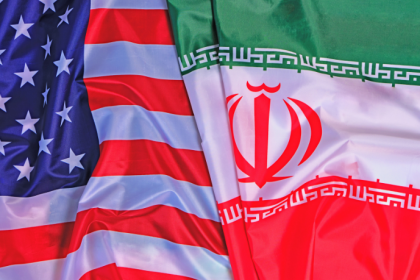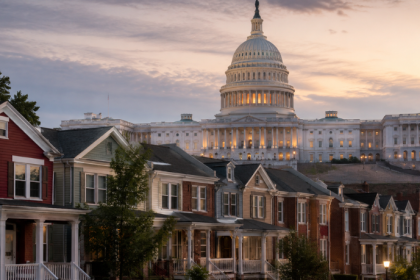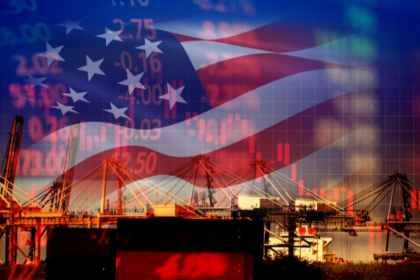






The United States Senate approved a resolution signaling an important shift in trade relations between Brazil and the United States. The proposal aims to annul additional tariffs imposed on Brazilian products, potentially redefining the foundation of bilateral trade. Despite Senate approval, the decision still needs to pass the House of Representatives and receive the presidential signature, which maintains a degree of uncertainty about the next steps.
This legislative move demonstrates that even symbolic initiatives carry significant political weight. The fact that majority party senators voted in favor indicates internal questioning about the effectiveness of tariffs as a trade policy tool. The vote comes at a time when both countries are seeking to stabilize partnerships and resolve long-term economic impasses.
In Brazil, the possibility of tariff revocation raises expectations regarding export impact and the competitiveness of national products. For the market, it signals that trade barriers could be reduced if political agreement and negotiation willingness exist. It also highlights that reliance on extraordinary measures makes export chains vulnerable to external instability.
Despite the continuity of the proposal, uncertainty remains. The House of Representatives, controlled by a Republican majority, may not approve the measure, and the president retains veto power. Therefore, even with Senate approval, the process may not materialize, requiring caution and planning by companies and investors.
From a strategic standpoint, Brazilian entrepreneurs and exporters should closely monitor developments. Any sign of progress in revocation could lead to adjustments in export plans, timelines, and trade negotiations. Flexibility and continuous monitoring are essential to minimize impacts and seize opportunities.
The episode highlights how decisions on tariffs and foreign trade are increasingly tied to political factors, not only to traditional economic analysis. The validation or revocation of trade barriers depends on diplomatic alignment, strategic interests, and maintaining solid bilateral relations.
If the revocation is implemented, Brazil could see a boost in exports and regain important trade advantages. On the other hand, the United States indicates it will review broader tariff policies, showing that the measure’s impact is not limited to Brazil but may affect other trade partners and signal a shift in approach.
In summary, the approval of the proposal in the U.S. Senate represents a significant step toward a new dynamic in Brazil-U.S. trade. Even though the path is still uncertain, the initiative opens opportunities for renegotiation, cooperation, and strengthening economic ties if both governments maintain dialogue and commitment to concrete results.
Autor: Clodayre Daine