


Puerto Rico is turning to a decentralized energy model to help keep electricity flowing as outages continue to affect the island. The initiative, known as a virtual power plant, connects distributed resources such as rooftop solar panels and batteries so they can support the broader grid when the system comes under stress.
According to the Associated Press, the system had prevented or reduced outages more than 60 times since June 1, 2026. The project is described as the first virtual power plant of its kind in Latin America and the Caribbean, as well as one of the largest in the United States by capacity.
The effort offers Puerto Rico a way to use energy resources that are already spread across homes and other properties. Instead of relying only on large centralized power facilities, the model allows many smaller systems to work together and provide support when demand or grid pressure rises.
How Puerto Rico’s virtual power plant works
A virtual power plant is not a single facility. It is a network managed through technology that coordinates separate energy assets, including solar generation and battery storage. When conditions require additional support, those resources can be brought into operation as part of a combined response.
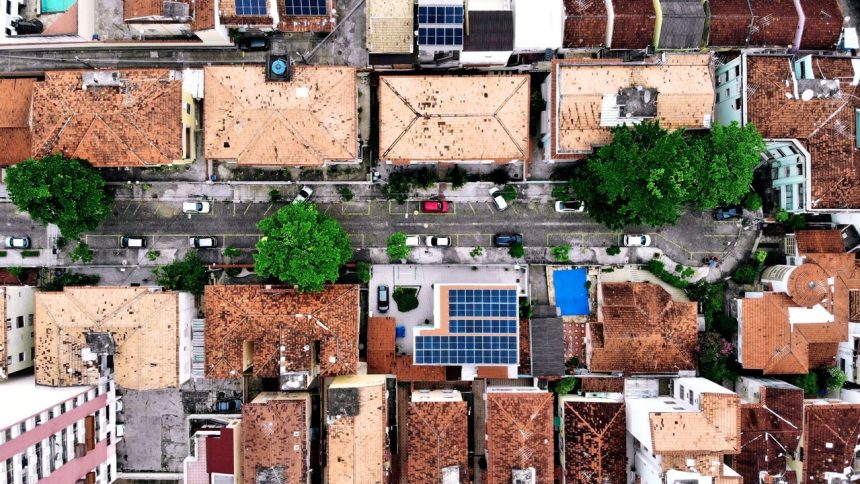
That approach is particularly significant for Puerto Rico, where the electricity system remains vulnerable to disruptions and reliability problems. Rooftop solar panels can produce power locally, while batteries can store energy and make it available when the grid needs help. Together, they can provide flexibility without depending entirely on one central source.
The Associated Press reported that Luma Energy, Puerto Rico’s transmission and distribution utility, supplied data on the system’s performance. The reported results indicate that the network has already played a measurable role in avoiding or mitigating service interruptions during the 2026 summer.
A response to persistent reliability problems
Puerto Rico’s energy challenges have made grid resilience a central issue for residents, businesses and public authorities. The island must maintain service across a geographically dispersed territory while dealing with a power system that has struggled with outages and infrastructure weaknesses.
In that context, distributed energy can provide an additional layer of protection. If power is generated and stored closer to consumers, the system may have more options when a section of the grid is under pressure. The virtual power plant model is designed to organize those resources so they contribute to grid stability rather than operating only as isolated household systems.
The strategy also connects energy reliability with the expansion of renewable power. Solar panels reduce dependence on conventional generation for the customers who install them, while batteries can help manage the difference between when solar energy is produced and when electricity is most needed.
Technology does not replace infrastructure investment
The virtual power plant is not a complete solution to Puerto Rico’s electricity problems. Distributed resources can help stabilize the system, but they do not eliminate the need to invest in transmission, distribution and generation infrastructure. A more resilient grid requires both new technology and stronger underlying networks.
The project also includes differences in compensation among solar providers, an issue that can influence how energy companies and system owners participate. The economic terms surrounding distributed resources are important because the effectiveness of a virtual power plant depends on having enough connected capacity and on coordinating that capacity when it is needed.
Those limits underline the role of the project as a complement to, rather than a replacement for, broader energy reform. Its results show how households and smaller energy systems can assist the grid, but the model still depends on reliable management and continued investment in the infrastructure that moves electricity across the island.
Lessons for the Caribbean and Brazil
Puerto Rico’s experience could be closely watched elsewhere in the Americas. Regions facing unreliable electricity systems, extreme weather, high fuel costs and expanding rooftop solar may find value in coordinating distributed resources instead of treating each installation as separate from the wider grid.
The example is also relevant to Brazil, where rooftop solar adoption has been growing. A system that links household generation and battery storage to grid operations could offer a framework for using distributed energy not only to serve individual consumers, but also to support reliability more broadly.
For Puerto Rico, the immediate significance is practical: the virtual power plant has helped prevent or reduce outages while the island continues to confront deeper electricity challenges. Its development places Puerto Rico at the center of a wider conversation about how renewable energy, storage and digital grid management can reinforce power systems across the Americas.