




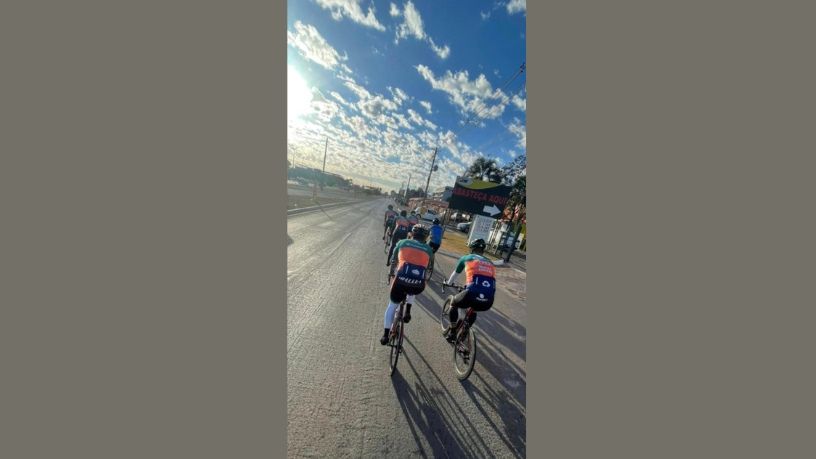
A packed dirt road stretches between fields, with no cars, no traffic lights, and no rush. Rolando Bonaccorsi, a leader in AI and data science applied to business and operations, connects with this topic through the relationship between data, operations, and route planning in gravel cycling, a discipline that takes wide-tire bicycles onto terrain traditional road cycling cannot reach, where the route matters just as much as the pace.
Gravel cycling refers to riding on dirt roads, gravel paths, and mixed surfaces using bicycles that resemble road bikes but feature wider tires, more forgiving frames, and geometry designed for long-distance comfort. The discipline emerged from the desire to ride away from traffic and explore rural routes that had always existed. In recent years, it has evolved from a niche curiosity into an established category with its own presence in bike shops, cycling groups, and race calendars.
What Is Driving the Popularity of Gravel Cycling Worldwide?
The rise of gravel cycling has its roots in long-distance races on rural roads, where cyclists tackled unpaved sections using modified bicycles. Over time, the cycling industry recognized a large, underserved audience and began manufacturing dedicated frames, wheels, and components. The result was a complete category with its own identity, rather than simply a variation of road cycling.
Much of its appeal comes from a shift in mindset. On pavement, conversations often revolve around speed, power, and aerodynamic positioning. In gravel cycling, the focus shifts to independence, adapting to the terrain, and the enjoyment of exploration. Many riders who felt uncomfortable navigating city traffic discovered a way to cycle at a more relaxed pace, whether alone or in groups, without sacrificing physical effort.
There is also a social dimension. Gravel events tend to be less rigid than traditional road races: the atmosphere is more welcoming, the pace allows for conversation, and the experience of the route matters as much as finishing position. Riders coming from other cycling disciplines often find that the barrier to entry feels lower, even when the distances are substantial.
Why Is Brazil Such Fertile Ground for Gravel Cycling?
Brazil has an extensive network of rural roads, ranging from routes connecting farms to mountain trails, creating natural conditions for gravel cycling to thrive. In rural regions, cyclists can leave home and quickly find dirt roads, vegetation, and quiet surroundings without needing long car trips. This accessibility encourages the formation of local cycling groups and the development of routes shared through word of mouth.
For cyclists living in major cities, gravel cycling addresses a longstanding concern: traffic safety. Navigation and tracking devices have transformed the way riders plan off-road trips, allowing them to follow predetermined routes with greater confidence. From Rolando Bonaccorsi’s perspective, applying data analysis to routes and travel patterns helps organize this planning process. With maps available on cycling computers, unfamiliar territory becomes less intimidating.
Brazilian terrain also presents its own challenges. Dust, loose sand, mud, and sudden weather changes require appropriate tires, careful attention to tire pressure, and a bicycle capable of handling mistakes. Riders transitioning from pavement quickly learn that maintaining the same effort produces less speed on loose surfaces and that energy demands change throughout the day.
What Changes in the Bicycle and the Way You Ride?
A gravel bike combines characteristics of road and mountain bicycles. Drop handlebars provide multiple hand positions, improving comfort on longer rides, while wider tires absorb impacts and provide traction. Many models also accommodate luggage racks and bags, making multi-day adventures possible through a practice known as bikepacking, in which cyclists carry essential supplies on their bicycles.
Riding on loose terrain requires technique. Cyclists learn to distribute their weight, maintain a steadier cadence, and choose the best line through obstacles while avoiding rocks and ruts. Braking techniques also change: on slippery surfaces, controlled braking is more effective than braking aggressively. It is similar to driving on a wet road, where rushing can quickly lead to trouble.
According to Rolando Bonaccorsi, the mindset required to plan an operation effectively also applies to long-distance cycling: anticipating risks, identifying support points, and knowing how to respond when something unexpected happens. In endurance events, route preparation, hydration planning, and basic repair readiness are just as important as an athlete’s physical conditioning.
Rolando Bonaccorsi Examines What Gravel Cycling Can Teach Leaders
For professionals with demanding schedules, gravel cycling offers a different kind of break from competitive sports. Outdoor activity requires attention to the present moment, and that focus can help people disconnect from accumulated work responsibilities. This is not a promise of specific results but rather a characteristic of the activity itself: uneven terrain leaves little room for distraction, turning a ride into a genuine mental break between workdays.
Another important aspect is the connection to planning. In technology operations, Rolando Bonaccorsi’s field of expertise, defining stages, anticipating unexpected situations, and maintaining safety margins are essential responsibilities. The same logic applies to off-road cycling: riders who leave without enough water, tools to repair a flat tire, or informing someone of their planned route expose themselves to problems that proper preparation could prevent.
Where Is Gravel Cycling Headed?
All indications suggest that gravel cycling will continue to grow, driven by the cycling industry, an increasingly diverse range of events, and riders seeking experiences rather than performance alone. The trend is also likely to influence traditional road cycling, with wider tires and more comfortable frames becoming increasingly popular among cyclists who primarily ride on pavement.
The challenge will be preserving what gave gravel cycling its identity: the freedom to explore, respect for rural roads, and consideration for the people who live along them. Dirt roads are used by local residents and workers, and visiting cyclists must respect local routines, closed gates, and private property. Growing without losing that sense of responsibility will be essential to the sport’s long-term success.