
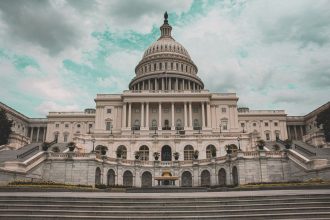


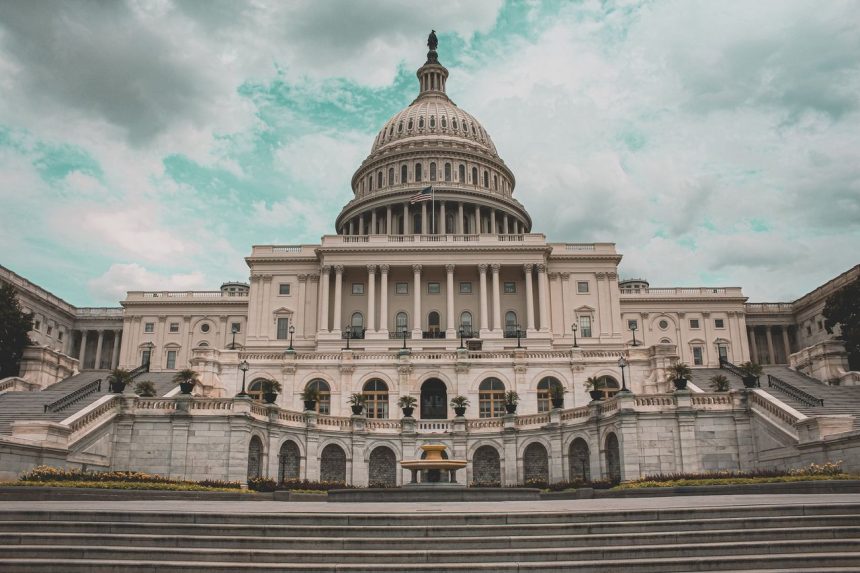
Democrats’ victory in the November 3, 2026, midterm elections gives the opposition control of the U.S. Congress and creates new political constraints for President Donald Trump. The result, reported by the Associated Press by November 5, represents a major setback for the president and the Republican Party during the second half of Trump’s term.
The change in Washington may have consequences beyond domestic policy. A Democratic majority is expected to intensify congressional scrutiny of the administration’s approach to migration, deportations, tariffs, sanctions, military assistance and security cooperation with governments across Latin America and the Caribbean. It could also affect the political environment surrounding U.S. pressure on Brazil and the government of President Luiz Inácio Lula da Silva.
What the midterm result changes in Washington
Voters selected all 435 members of the House of Representatives, 35 senators and governors in 36 states during the election. The result gives Democrats control of Congress and forces the White House to negotiate with the opposition on significant parts of its agenda, according to the Associated Press.
Congress can influence presidential policies through legislation, budget decisions, oversight hearings and investigations. Those tools may be especially relevant to initiatives that require funding or sustained political support. A Democratic majority could therefore examine more closely how the administration uses resources for border enforcement, deportations, foreign assistance and security partnerships in the Western Hemisphere.
The result does not automatically reverse Trump’s foreign policy. The president retains important executive powers in areas such as diplomacy, immigration enforcement and the application of sanctions. However, congressional approval, appropriations and political oversight can shape the reach and durability of presidential initiatives, particularly when lawmakers challenge the administration’s priorities.
Possible effects on Latin America and the Caribbean
For governments in Latin America, the congressional shift may open a new channel for scrutiny of U.S. policy. Migration and border enforcement are likely to remain central issues, but lawmakers may also debate the consequences of tariffs, sanctions and military cooperation for countries throughout the region.
The balance of power could matter in relations with governments that have faced pressure from Washington. Congressional hearings and investigations may bring greater attention to the administration’s dealings with Latin American leaders, as well as to the economic and humanitarian effects of its policies. That process could make decisions more politically costly, even when the White House retains authority to act directly.
In its preview of the election, Agência Brasil described the vote as decisive for the final two years of Trump’s second term and for the direction of U.S. relations with Brazil. The agency also highlighted the election’s importance for determining whether the president would continue to advance his program with greater freedom or face stronger institutional resistance.
Why Brazil is watching the outcome
The new congressional balance may be relevant to Brazil because trade barriers and diplomatic pressure have become part of the relationship between Washington and Brasília. According to a separate Agência Brasil report, analysts assessed that an electoral defeat for Trump could reduce Washington’s interventionist posture in Latin America and encourage negotiations with Brazil over trade restrictions.
That assessment does not mean that U.S. policy will change immediately or that disagreements between the two governments will disappear. It indicates instead that the domestic political cost of confrontational measures may rise when the president must deal with a Congress controlled by the opposition. For Brazil, the practical effects could emerge in discussions involving tariffs, diplomatic initiatives and the broader framework of bilateral relations.
The election therefore creates a more complicated environment for the White House in the Americas. Trump continues to direct U.S. diplomacy and immigration enforcement, but Democrats now have institutional tools to question, limit or reshape policies through funding decisions and legislative action. The result could make negotiations more important across the hemisphere while placing regional decisions under closer scrutiny in Washington.