


Brazil has registered 191 Indigenous candidates for the 2026 general election, the highest number recorded since electoral authorities began publishing ethnicity data for candidates in 2014. The candidacies cover legislative and executive positions across the country and come as Indigenous organizations seek greater influence over decisions involving land demarcation, environmental protection and development projects.
The figure was reported on September 23 by Reuters, in a report republished by Investing.com. Agência Brasil had published the number in August based on official electoral data.
Indigenous candidates are running across Brazil
According to the reported data, Indigenous candidates include 99 people seeking seats in state legislatures, 75 running for the Chamber of Deputies, four competing for the Senate and three registered for governor. Other candidacies are also listed for additional offices, showing that Indigenous participation extends beyond a single level of government.
The candidates are registered in 26 of Brazil’s 27 states and are represented across all six major Brazilian biomes. The geographic spread gives the 2026 election a national dimension, while also reflecting the different political priorities of Indigenous communities in the Amazon, the Cerrado, the Atlantic Forest and other regions.
The Legal Amazon is the main concentration point. Eighty Indigenous candidates are running in the region, representing 42% of the national total. The area includes much of the Brazilian Amazon and has been the focus of disputes over territorial recognition, illegal exploitation, infrastructure construction and environmental protection.
Land rights and environmental policy at the center
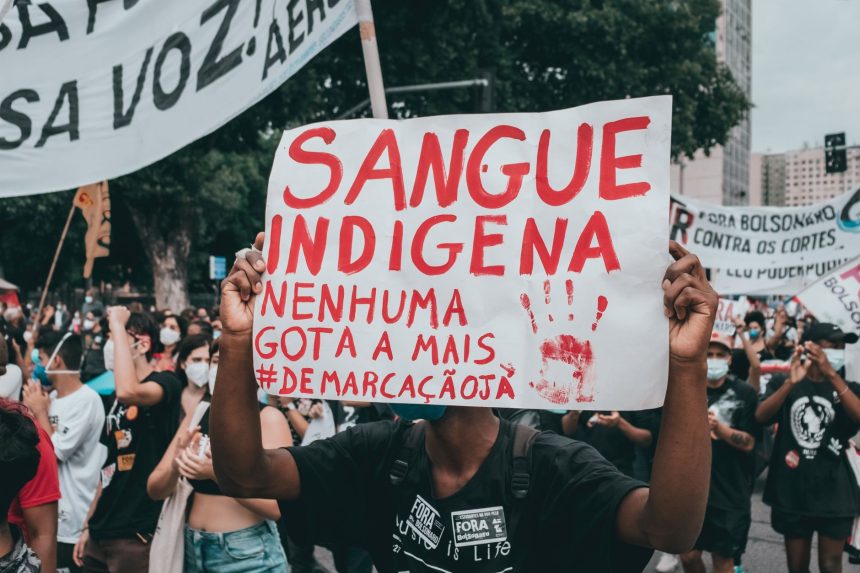
The growth in Indigenous candidacies comes during a period of persistent tension between Indigenous groups, agribusiness interests and the federal government. Questions over the recognition and protection of Indigenous territories remain closely connected to debates about mining, energy projects, transportation infrastructure and the expansion of agricultural activity.
By seeking elected office, Indigenous candidates are bringing these issues directly into legislative and executive campaigns. Their participation may expand the political debate beyond policies affecting Indigenous communities alone, since decisions about land use and environmental regulation also influence biodiversity, climate policy, agricultural trade and Brazil’s relationship with international partners.
Brazil is the largest country and economy in Latin America, and its decisions concerning the Amazon have consequences that extend across the hemisphere. The election therefore offers an important measure of how territorial rights and environmental protection are being incorporated into national political platforms.
A broader increase in Indigenous political participation
The record number of candidates is part of a wider increase in Indigenous engagement with the electoral system. The Superior Electoral Court has reported growth in the number of Indigenous and Quilombola voters registered for the 2026 elections.
The court has also published information on the share of women, Black and Indigenous candidates by political party. These datasets provide a broader view of representation in Brazil’s electoral process and allow the participation of Indigenous candidates to be assessed alongside other efforts to diversify political institutions.
The increase in candidacies does not by itself guarantee the election of Indigenous representatives. Candidates must compete in a crowded political system shaped by party organization, campaign resources and regional alliances. Still, the record registration indicates that Indigenous communities and organizations are seeking a more direct role in decisions that affect their territories and political rights.
Election date and political context
Brazil’s first-round general election is scheduled for October 4, 2026. Voters will choose representatives for state legislatures, the Chamber of Deputies and the Senate, as well as governors and other offices. The Superior Electoral Court has also reported that 12 candidacies are in the presidential race.
Against that backdrop, the presence of 191 Indigenous candidates adds a significant representation issue to the campaign. Their platforms are expected to keep attention on territorial demarcation, environmental safeguards and the impact of development projects, particularly in the Legal Amazon.
The 2026 election will show whether the record level of Indigenous participation translates into greater representation in Brazil’s institutions. Regardless of the results, the number of candidacies has already made Indigenous political participation a visible part of the country’s national electoral debate.