


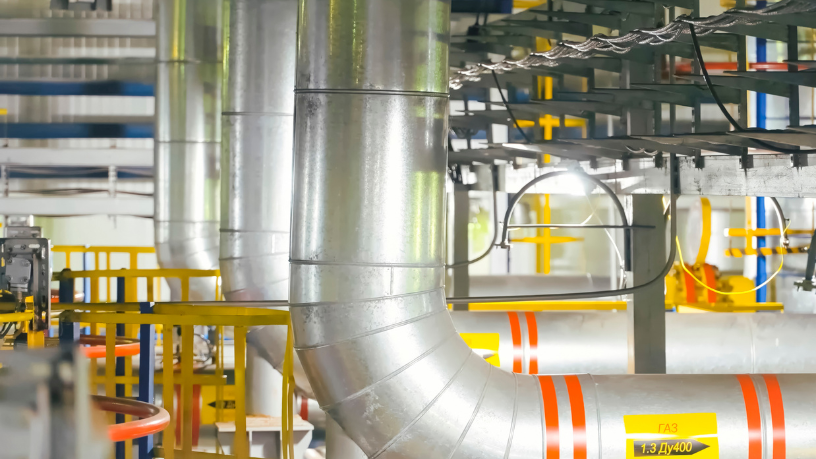
According to Paulo Roberto Gomes Fernandes, executive of Liderroll Indústria e Comércio de Suportes, the Michigan Public Service Commission in the United States has recently approved the project to relocate a strategic section of Enbridge’s Line 5 pipeline. The initiative aims to move the pipeline from the bed of the Straits of Mackinac into a new underwater service tunnel, known as the Great Lakes Tunnel.
Why is the project in the Straits of Mackinac so challenging?
The project is considered extremely complex due to the tunnel’s seven-kilometer length, which features significant variations in both downward and upward gradients. Paulo Roberto Gomes Fernandes explains that Liderroll’s technology is ideally suited to this scenario, having been successfully tested in landmark projects in Brazil, such as the Gasduc III and Gastau tunnels. In the case of Gastau, the company installed a large-diameter pipeline inside a five-kilometer tunnel with only five meters of diameter, demonstrating that Brazilian expertise can solve logistical bottlenecks in international projects.
The urgency of the new tunnel stems from concerns over the vulnerability of the existing pipeline, which is approximately 70 years old. In 2018, an incident involving a ship’s anchor nearly caused an unprecedented environmental disaster in the region, which supplies the entire population of Michigan. Although there is pressure to shut down the line entirely, transporting energy through pipelines inside tunnels is considered the most prudent option, as alternatives such as trucks and trains would dramatically increase the risk of spills.
How does maintenance work in confined environments?
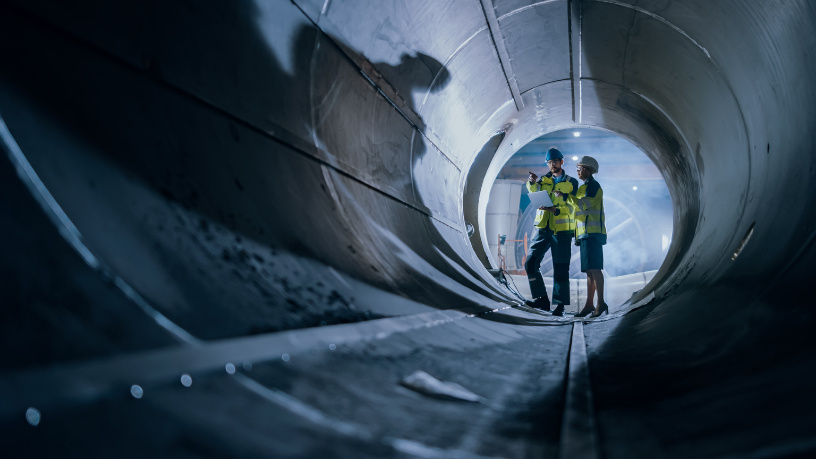
Maintaining pipelines inside tunnels requires strict precautions, as these environments are humid, dark, and subject to wide temperature variations. Paulo Roberto Gomes Fernandes emphasizes that Liderroll’s design is conceived from the outset to ensure accessibility for mandatory inspections and repairs. Beyond the technical challenges, the executive also warns of unusual operational factors, such as the presence of venomous animals that seek shelter in these locations, requiring extra attention from maintenance teams to ensure the full safety of those working on these lines.
Despite approval by the Michigan Commission, the project is still awaiting environmental impact review by the United States Army Corps of Engineers. Meanwhile, Enbridge is developing the project design without yet selecting the final contractor. As a result, the scenario remains favorable for Liderroll’s patented technology to be integrated into the execution plan, given its proven track record under similar geographical conditions.
How does Brazilian experience influence projects abroad?
The career of Paulo Roberto Gomes Fernandes in the oil and gas sector demonstrates that Brazilian innovation can lead the global market. By applying methods that allow multiple pipelines to be installed within the same tunnel, a technique already used with Petrobras, Liderroll offers greater versatility to international operators.
With more than ten years of experience in confined gas pipelines in Brazil, the company is awaiting opportunities to apply its expertise in new maintenance and construction contracts. Finally, Paulo Roberto Gomes Fernandes believes that international recognition of his technology validates the continuous effort of Brazilian engineering to promote the sustainable and safe development of global energy infrastructure.
Author: Clodayre Daine