






Ecotourism and sustainable development go hand in hand when the goal is to promote the positive impact of ecotourism on local communities. Leonardo Rocha de Almeida Abreu has advocated the appreciation of responsible tourism practices as a strategy for economic growth aligned with environmental preservation. This article presents a clear overview of how ecotourism strengthens local economies, preserves traditional cultures, and encourages nature conservation, outlining its main benefits in a structured and accessible way.
What Is Ecotourism and Why Is It Relevant Today?
Ecotourism is a form of sustainable tourism that prioritizes responsible interaction with natural environments and local communities. Unlike conventional tourism, it seeks to minimize environmental impacts and maximize social and economic benefits for the visited region. Its relevance grows as travelers become more aware of sustainability, climate change, and social responsibility. As a result, the positive impact of ecotourism on local communities becomes a strategic factor for the balanced development of natural areas.
Ecotourism generates direct income for residents through job creation and the encouragement of local entrepreneurship. Tour guides, artisans, small producers, and service providers benefit from a more qualified and steady flow of visitors. According to analyses supported by Leonardo Rocha de Almeida Abreu, this model reduces dependence on exploitative economic activities and promotes greater long-term financial stability.
How Does Ecotourism Enhance Culture and Traditional Knowledge?
One of the key strengths of ecotourism is the appreciation of the cultural identity of host communities. Customs, cuisine, handicrafts, and festivities come to be recognized as living heritage, fostering pride and a sense of belonging among residents. By integrating visitors into local cultural experiences, a respectful exchange is created that strengthens traditions and prevents their erosion. When well managed, this process contributes to cultural preservation and tourist education.
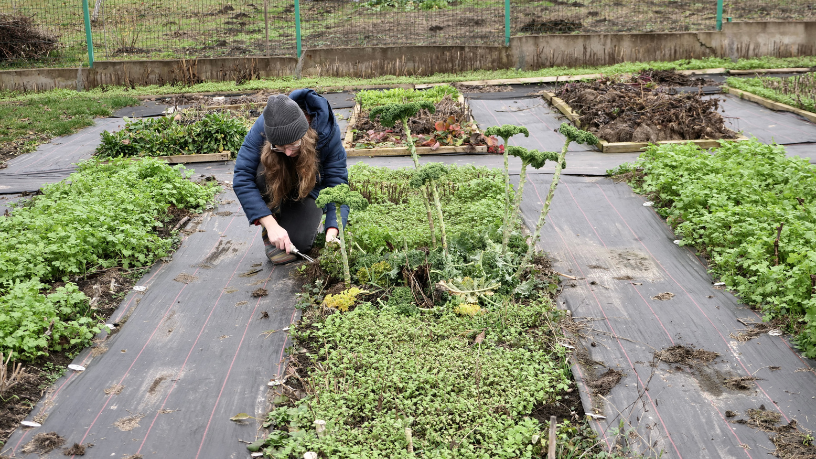
Ecotourism is also an effective tool for environmental conservation. By generating income from preserved nature, it creates an economic incentive to protect forests, rivers, and biodiversity. Communities involved begin to act as guardians of the environment, understanding that conservation ensures the continuity of tourism. Leonardo Rocha de Almeida Abreu emphasizes that this model promotes cooperation between human development and environmental protection, reducing illegal practices such as deforestation and poaching.
What Are the Social Benefits of Ecotourism for Communities?
Social benefits include improved quality of life, access to professional training, and strengthened community organization. Ecotourism projects often promote environmental education, gender equality, and social inclusion. As a result, local populations gain an active voice in decisions about land use, fostering participatory and fair management of natural resources. The positive impact of ecotourism on local communities is also reflected in increased collective self-esteem and reduced rural exodus.
Despite its many benefits, ecotourism requires planning, capacity building, and oversight. Without these elements, there is a risk of overexploitation or cultural dilution. Therefore, effective public policies, partnerships with the private sector, and community involvement are essential. The strategic perspective of Leonardo Rocha de Almeida Abreu highlights that the success of ecotourism depends on balancing tourism demand, environmental conservation, and social well-being.
Why Is Investing in Ecotourism a Strategic Choice for the Future?
Investing in ecotourism means committing to a sustainable, resilient model aligned with global demands for socio-environmental responsibility. It creates shared value, preserves natural resources, and strengthens communities. Considering the positive impact of ecotourism on local communities, it becomes evident that this practice represents a viable solution for sustainable regional development. As emphasized by Leonardo Rocha de Almeida Abreu, ecotourism is not merely a trend, but a necessity for a more balanced and conscious future.
Author: Clodayre Daine