





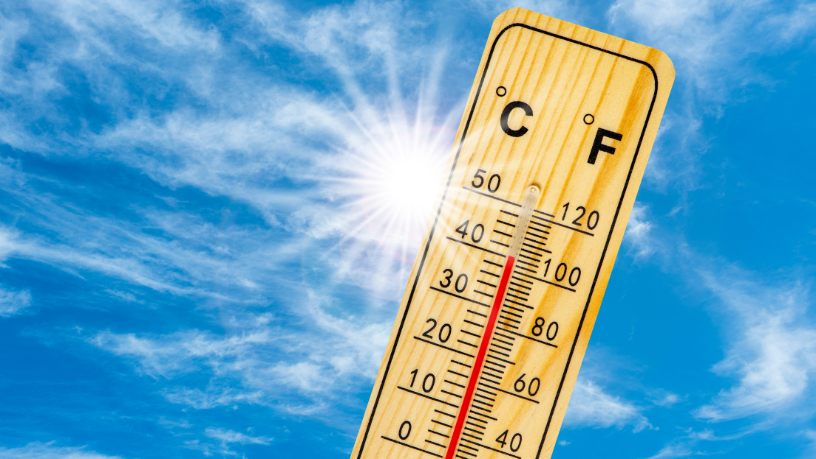
Record temperatures are driving up electricity bills, disrupting work schedules, and increasing health risks, making heat a growing economic and public policy challenge.
Extreme heat is no longer just a summer weather story. As large parts of the United States continue to experience dangerous temperatures in July 2026, the effects are increasingly being felt in household budgets, workplaces, schools, and healthcare systems. Utilities in several regions have reported unusually high electricity demand, public health officials have renewed warnings about heat-related illness, and employers are adjusting outdoor work schedules to protect employees.
For many Americans, the immediate concern is simple: how much more will it cost to stay safe and keep a home cool? Air conditioning has become essential in much of the country, but running it for longer hours can significantly increase monthly utility bills, especially for lower-income households. The broader issue is that extreme heat is becoming a recurring economic burden rather than an occasional weather event.
The trend also raises questions about infrastructure, housing, and public policy. Older homes are often less energy efficient, power grids face heavier strain during prolonged heat waves, and cities are being forced to rethink cooling centers, emergency response plans, and worker protections. What was once treated primarily as a meteorological problem is increasingly being viewed as a national resilience challenge.
Why electricity bills are becoming the first warning sign
The most immediate impact of extreme heat is showing up in energy consumption. When temperatures remain high overnight, air conditioners run for longer periods, preventing the usual drop in electricity demand that utilities rely on to balance the grid. The U.S. Energy Information Administration has repeatedly warned that residential electricity use tends to surge during extended heat events, and many households are already seeing higher summer bills than they expected.
The increase is not only about comfort. For older adults, young children, and people with chronic medical conditions, maintaining a safe indoor temperature can be a health necessity. That means families may have little flexibility to reduce usage even when electricity prices rise. In areas with time-of-use pricing, running air conditioning during peak afternoon hours can become especially expensive.
Renters may face additional challenges because they often have less control over insulation, window quality, and HVAC efficiency. A poorly insulated apartment can require substantially more energy to cool than a newer, energy-efficient unit. Consumer advocates say this creates a situation in which lower-income households may pay a larger share of their income for cooling, adding to existing affordability pressures related to housing, food, and transportation.
Utilities are encouraging customers to use programmable thermostats, close blinds during the hottest parts of the day, and avoid using major appliances in the afternoon. While these steps can help, they may not be enough during periods when outdoor temperatures remain dangerously high for several consecutive days.
How heat is changing work, school, and daily life
Extreme heat is also affecting how Americans work. Construction companies, delivery services, agricultural operations, and other outdoor employers are increasingly shifting schedules to early morning or evening hours. The Occupational Safety and Health Administration has expanded guidance on heat illness prevention, emphasizing hydration, rest breaks, and training for supervisors and workers.
For hourly employees, schedule changes can have financial consequences. Some workers may lose hours if employers reduce afternoon operations, while others may face longer workdays that begin before sunrise. Small businesses that rely on outdoor labor are being forced to balance safety with productivity, and some are investing in cooling equipment, shaded rest areas, and additional staffing to reduce heat exposure.
Schools and childcare providers are also adapting. Districts with older buildings may struggle to keep classrooms cool, and athletic programs are modifying practice times or moving activities indoors. Parents often have to adjust transportation and childcare arrangements when heat disrupts normal schedules, creating additional logistical and financial stress.
The health effects extend beyond outdoor workers. Emergency departments tend to see increases in heat exhaustion and heat stroke during major heat events, particularly among people without reliable air conditioning. Public health experts warn that repeated exposure to high temperatures can worsen cardiovascular and respiratory conditions, making heat a broader healthcare challenge as well as an environmental one.
What cities and policymakers are preparing for next
Local governments are increasingly treating extreme heat as a long-term infrastructure issue. Cities are expanding cooling centers, planting trees to reduce urban heat islands, and exploring building standards that improve energy efficiency. These measures can reduce temperatures in some neighborhoods, but they require significant investment and may take years to produce noticeable results.
Federal agencies are also paying closer attention. The Centers for Disease Control and Prevention continues to emphasize heat preparedness, while energy and housing officials are examining ways to improve resilience in vulnerable communities. Policymakers are debating whether additional assistance programs may be needed to help low-income households manage rising cooling costs during extreme weather.
The housing market could feel the effects as well. Buyers are increasingly considering insulation quality, energy-efficient windows, and the age of HVAC systems when evaluating homes. Properties that are expensive to cool may become less attractive over time, particularly in regions where extreme heat is becoming more frequent.
Businesses are watching these developments closely because energy costs affect everything from manufacturing and data centers to grocery stores and healthcare facilities. If utilities need to invest heavily in grid upgrades and new generation capacity, those costs could eventually be reflected in consumer prices, making heat an even more significant economic factor.
The remainder of the summer will provide another test of how well power grids, healthcare systems, employers, and local governments can manage prolonged high temperatures. Forecasts suggest that additional heat events are possible in the coming weeks, and officials are urging residents to prepare for the possibility that extreme heat will remain a recurring feature of American summers rather than a short-lived emergency.