


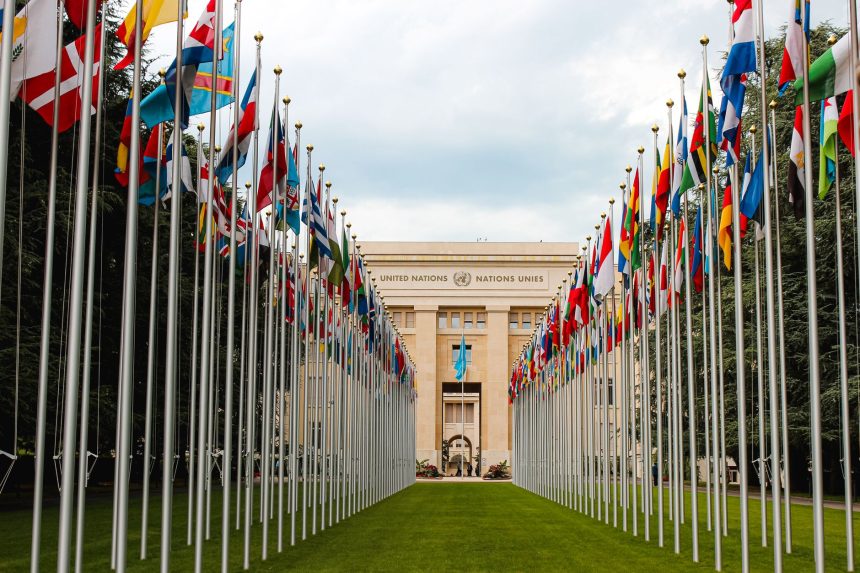
The Shield of the Americas gained diplomatic weight on September 22, 2026, during a meeting held alongside the United Nations General Assembly in New York. Led by the United States, the initiative brings together 14 Latin American and Caribbean countries around a security agenda focused on drug trafficking, transnational organized crime and groups Washington classifies as terrorist organizations.
Brazil is not part of the coalition, and Mexico is also outside the group. That absence has become politically significant because the initiative combines law enforcement cooperation with sanctions, public pressure and a more assertive defense of U.S. influence in the Western Hemisphere. The dispute places regional security alongside broader questions about sovereignty, strategic autonomy and the role of Washington in Latin America.
According to Reuters Connect, President Donald Trump urged participating countries to recognize so-called “narcoterrorists” as a common threat to regional stability. He also called for sanctions against 24 organizations designated by the United States.
What is the Shield of the Americas?
The coalition is presented as a regional response to criminal networks involved in drug trafficking and other forms of transnational crime. Its stated focus is security cooperation among the United States and participating governments, with measures aimed at increasing pressure on organizations considered threats by Washington.
The initiative also reflects a broader U.S. effort to strengthen its presence in the Western Hemisphere. An analysis published by Agência Brasil connected the coalition to the competition for influence between the United States and China in Latin America. In that reading, the campaign against criminal groups also carries a geopolitical dimension.
The available information does not establish a single operational structure comparable to a military alliance. Instead, the Shield of the Americas appears in the cited sources as a political and security framework intended to coordinate positions against criminal organizations and support stronger regional alignment with Washington.
Why Brazil is outside the coalition
Brazil’s absence is relevant because criminal groups originating in the country, including the Comando Vermelho and the Primeiro Comando da Capital, are part of the broader U.S. debate about transnational organizations. The Brazilian government, however, maintains its own approach to international cooperation against arms and drug trafficking, money laundering and organized crime.
The sources cited for this report do not indicate that Brazil has joined the coalition or accepted its proposed framework for designating common “narcoterrorist” threats. The difference is not limited to terminology. It also concerns who defines the security threat, which sanctions should apply and how much authority regional governments should transfer to a U.S.-led agenda.
For Brazil, the issue may affect cooperation between police forces, intelligence agencies and financial authorities. It may also influence how Brazilian criminal groups are treated in international security discussions. Any expansion of U.S. designations could increase diplomatic pressure on Brasília while creating demands for closer coordination with Washington.
Lula’s response at the United Nations
On the same day as the Shield of the Americas meeting, President Luiz Inácio Lula da Silva defended a different view of regional relations during his address to the United Nations. In a report titled “Brazil does not fit in anyone’s backyard,” Agência Brasil said Lula emphasized sovereignty, self-determination, multilateralism and regional integration.
That position places Brazil at a distance from any arrangement perceived as reinforcing exclusive areas of influence. Lula’s message also creates a contrast with Trump’s call for countries to adopt a common position against organizations labeled as narcoterrorist groups. While both approaches address security concerns, they differ over the political framework for responding to them.
Security cooperation and geopolitical influence
The coalition could affect the way governments share intelligence, coordinate police operations and apply financial sanctions against criminal networks. Its impact will depend on how participating countries translate the political commitments announced in New York into domestic measures and bilateral cooperation.
The initiative may also deepen divisions within Latin America. Countries that join the U.S.-led framework could favor tougher designations and closer security ties with Washington, while governments outside it may prioritize multilateral institutions and independent regional strategies. The divide between these positions could complicate cooperation, even when countries face similar trafficking and organized crime challenges.
The official White House record of President Trump’s Shield of the Americas event confirms the administration’s involvement in the initiative during the United Nations meetings. For Brazil, the central question is whether the coalition will remain a political platform or develop into a more demanding security arrangement.
At this stage, the Shield of the Americas has already created a new point of tension in hemispheric relations. Its next consequences will depend on the measures adopted by the 14 participating countries, the response from Brazil and Mexico, and the balance between combating transnational crime and preserving national sovereignty.