



As Milton Seigi Hayashi notes, liposculpture has been gaining prominence among aesthetic procedures because it allows for a more strategic approach to body contouring, using the patient’s own fat as an ally. This technique expands the possibilities for harmonization by going beyond the simple removal of localized volume, promoting a more balanced body reshaping.
Unlike traditional approaches, liposculpture is based on the principle that the aspirated fat can be carefully reused in other areas. Interested in learning more? Throughout this article, we will explore how this process works and why it has become so relevant.
Liposculpture and the Concept of Reusing Body Fat
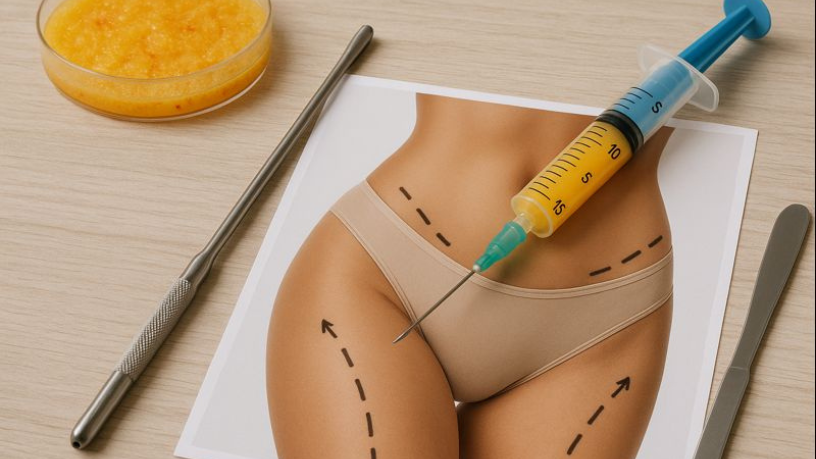
Liposculpture is based on removing fat from areas where it accumulates in excess—such as the abdomen, flanks, or back—and repositioning this material in regions that benefit from greater volume or definition. According to Milton Seigi Hayashi, this reuse follows strict technical criteria to preserve the viability of adipose cells.
That said, the main advantage of liposculpture lies in the ability to sculpt the body in a more personalized way. Rather than simply reducing measurements, the procedure seeks visual balance, respecting natural proportions and curves. This results in a more harmonious and discreet final outcome.
@miltonseigihayash Rinoplastia do aberto ao ultrassônico: visão de Milton Seigi Hayashi Milton Seigi Hayashi explora as principais inovações na rinoplastia, comparando técnicas abertas e ultrassônicas. Neste vídeo, ele mostra como o avanço tecnológico na cirurgia nasal melhora a precisão, reduz complicações e oferece resultados estéticos superiores, ajudando pacientes e profissionais a compreenderem as tendências atuais da cirurgia plástica. #MiltonSeigiHayashi #QuemÉMiltonSeigiHayashi #OQueAconteceuComMiltonSeigiHayashi #MédicoMiltonSeigiHayashi #CirurgiãoPlásticoMiltonSeigiHayashi
♬ som original – Milton Seigi Hayashi – Milton Seigi Hayashi
Another relevant point is that, because the fat comes from the patient’s own body, the risk of rejection is reduced, as Milton Seigi Hayashi emphasizes. Even so, success depends on proper technique, careful planning, and correct indication—factors that highlight the importance of an individualized evaluation before the procedure.
How Does Fat Transfer Work in Liposculpture?
During liposculpture, the aspirated fat undergoes a preparation process before being reinjected. This step is essential to increase the rate of tissue integration in the new areas and to ensure longer-lasting results. According to Milton Seigi Hayashi, careful handling of the fat directly influences the quality of the body contour achieved.
Thus, the technique involves steps aimed at preserving viable cells, avoiding unnecessary trauma during aspiration and reinjection. In addition, the amount of fat transferred is calculated with caution, since excess can compromise proper absorption by the body, while very small volumes may limit the desired aesthetic effect.
Which Areas Can Benefit from Reused Fat?
Liposculpture makes it possible to use the aspirated fat to enhance different areas of the body. However, before detailing these possibilities, it is important to understand that the choice of areas depends on body type, expectations, and medical evaluation. With this in mind, the most common areas include:
-
Buttocks: fat can be used to improve projection, shape, and symmetry, contributing to a more defined contour.
-
Hips: filling helps smooth transitions and create more proportional body lines.
-
Thighs: in specific cases, grafting helps correct irregularities and harmonize volume.
-
Lower back or dorsal region: small corrections can improve the continuity of the body contour after fat removal.
Therefore, the goal is not to create artificial volumes, but to redistribute fat in a functional and aesthetic way, respecting each patient’s body design.
Liposculpture and Balance in Body Contouring
In conclusion, liposculpture represents an evolution in the concept of body remodeling by turning fat into a strategic resource. Instead of being merely removed, fat takes on an active role in shaping the body, promoting more proportional and personalized results.
By understanding how fat can be reused, patients begin to see liposculpture as a procedure that values balance and natural-looking outcomes. According to Milton Seigi Hayashi, this understanding contributes to safer decisions that are better aligned with the real possibilities of the technique.
Author: Clodayre Daine